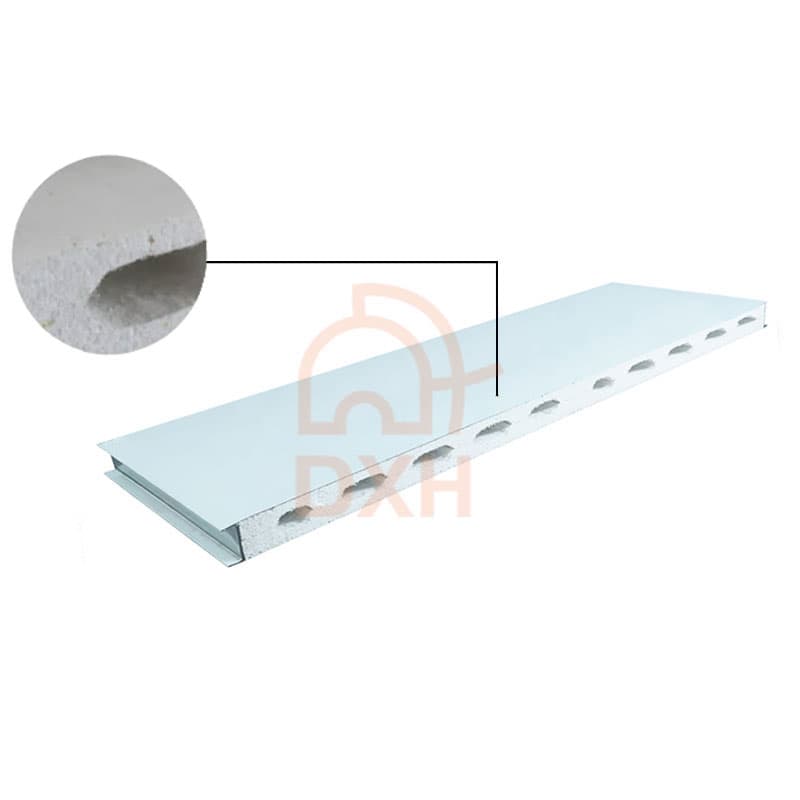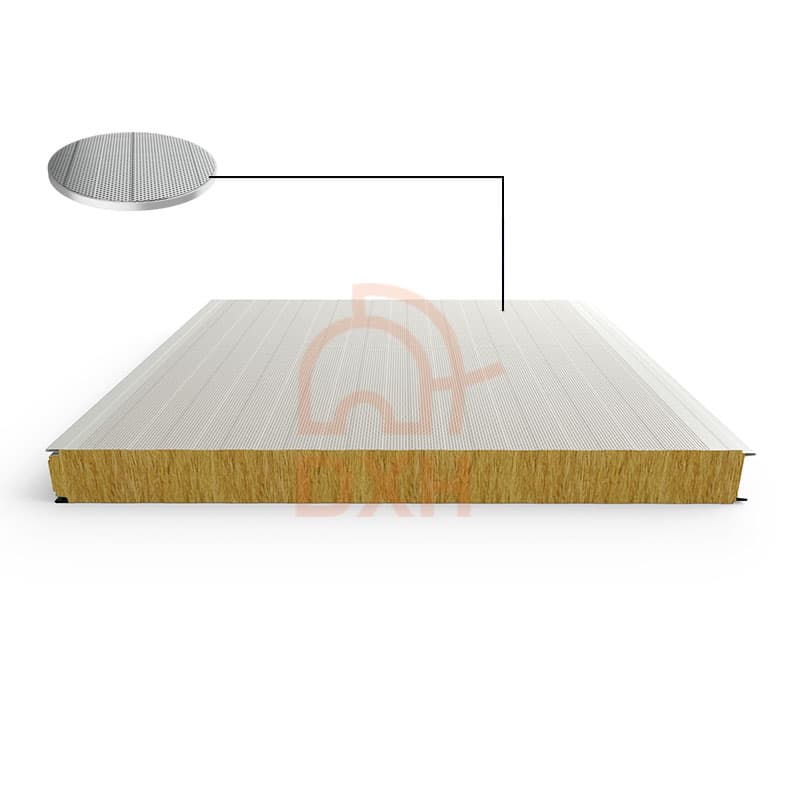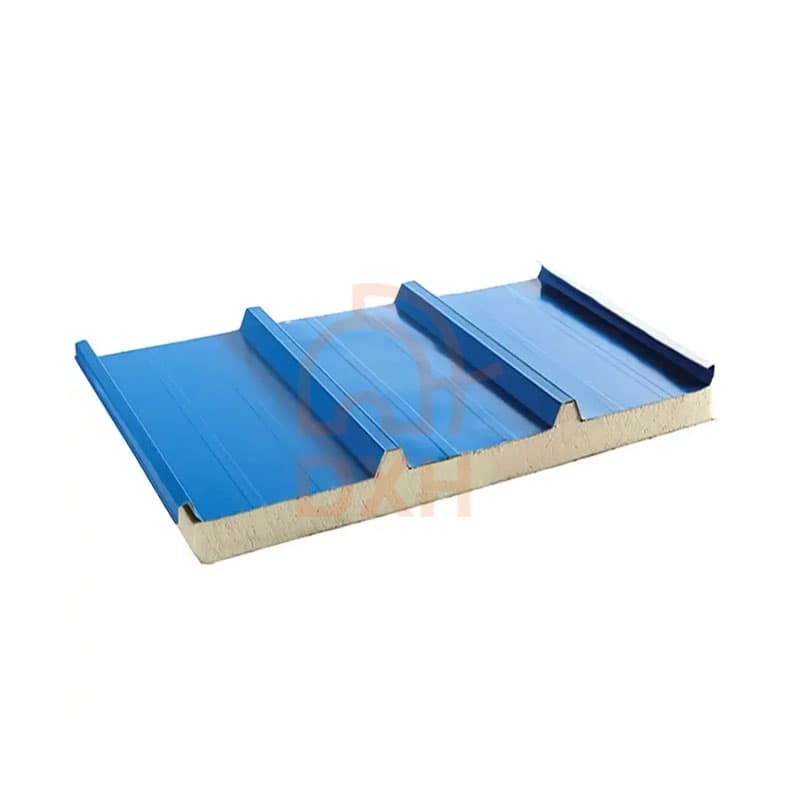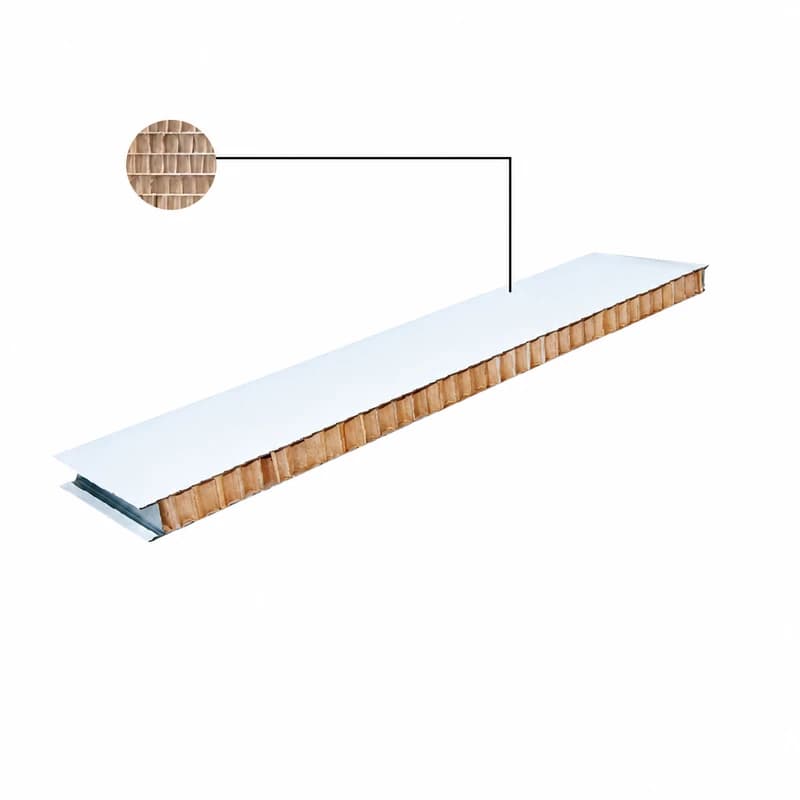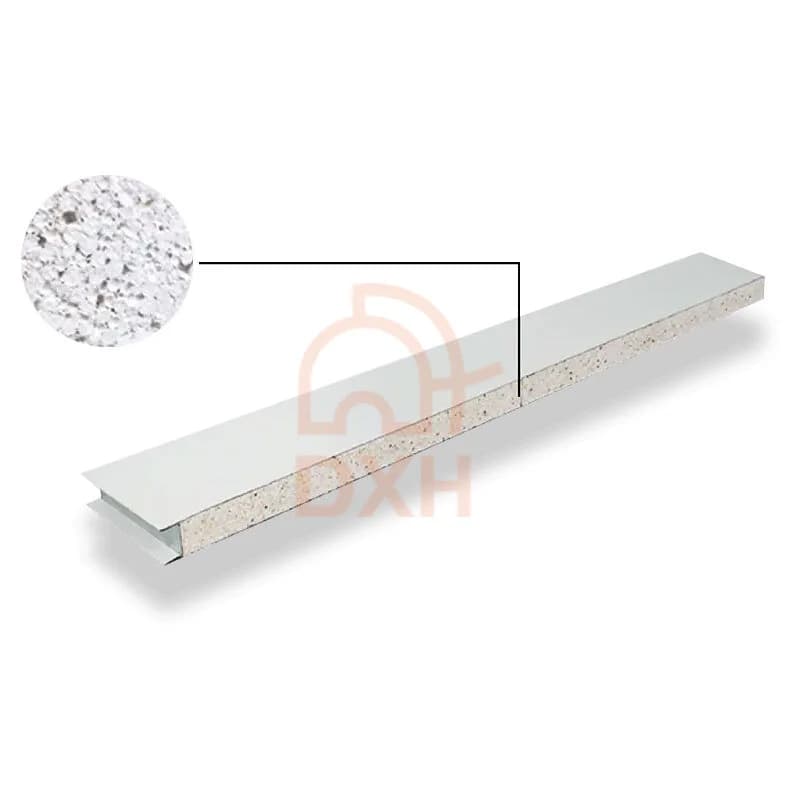
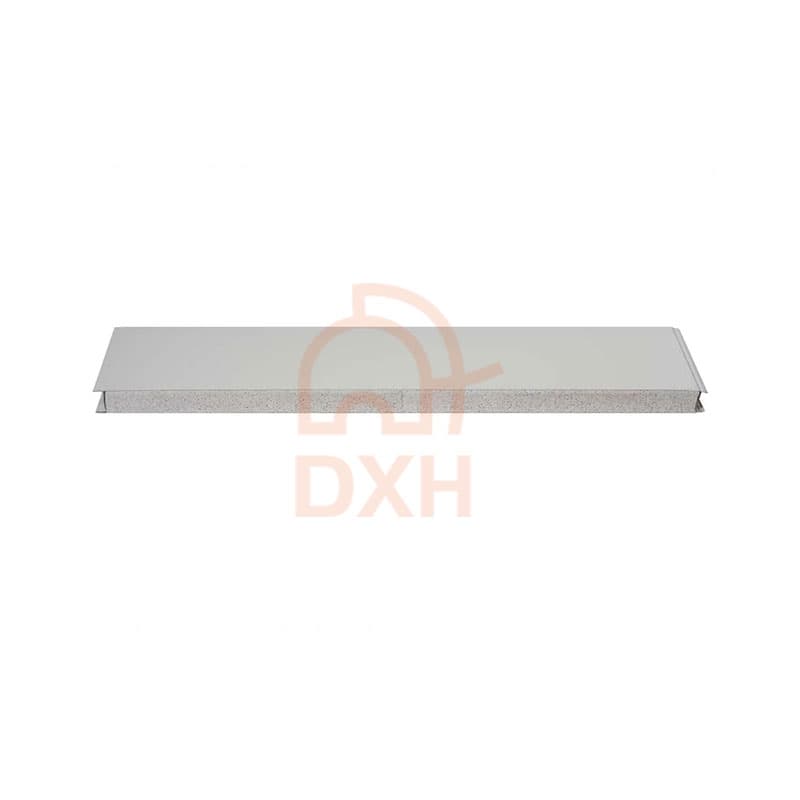
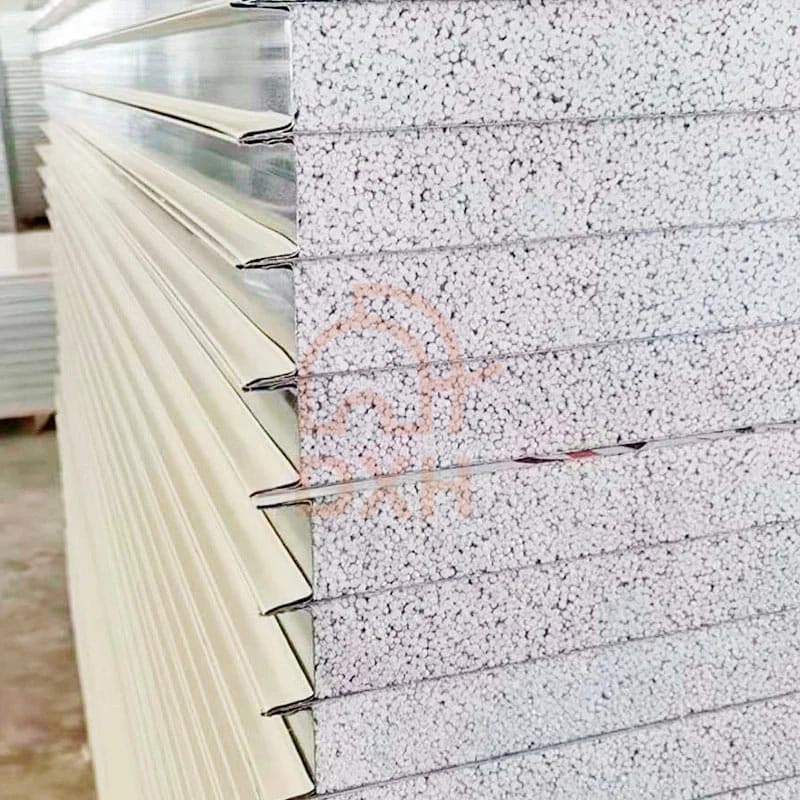
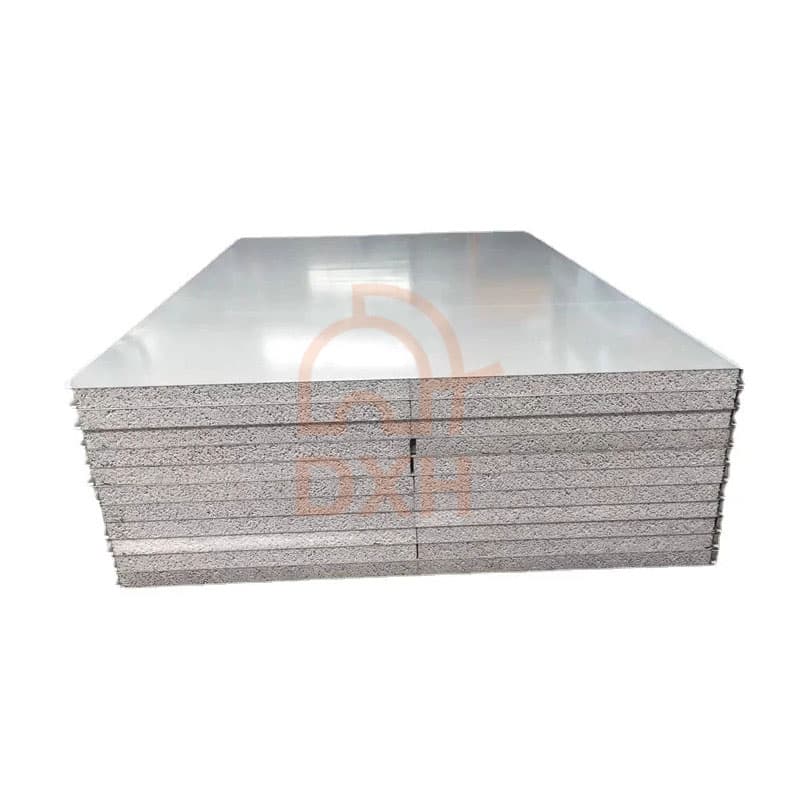
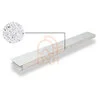
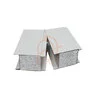
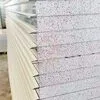
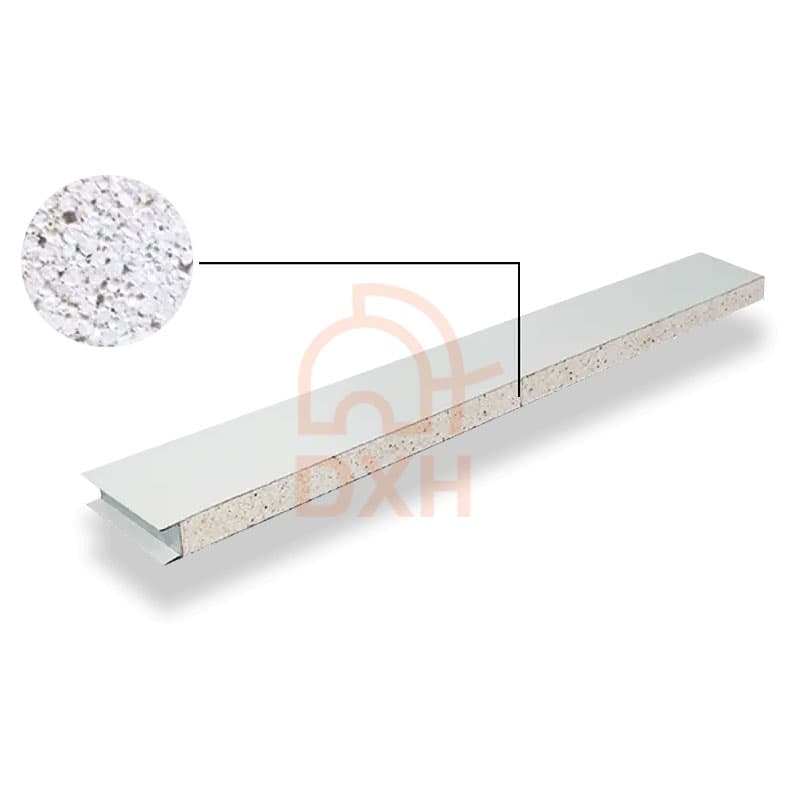
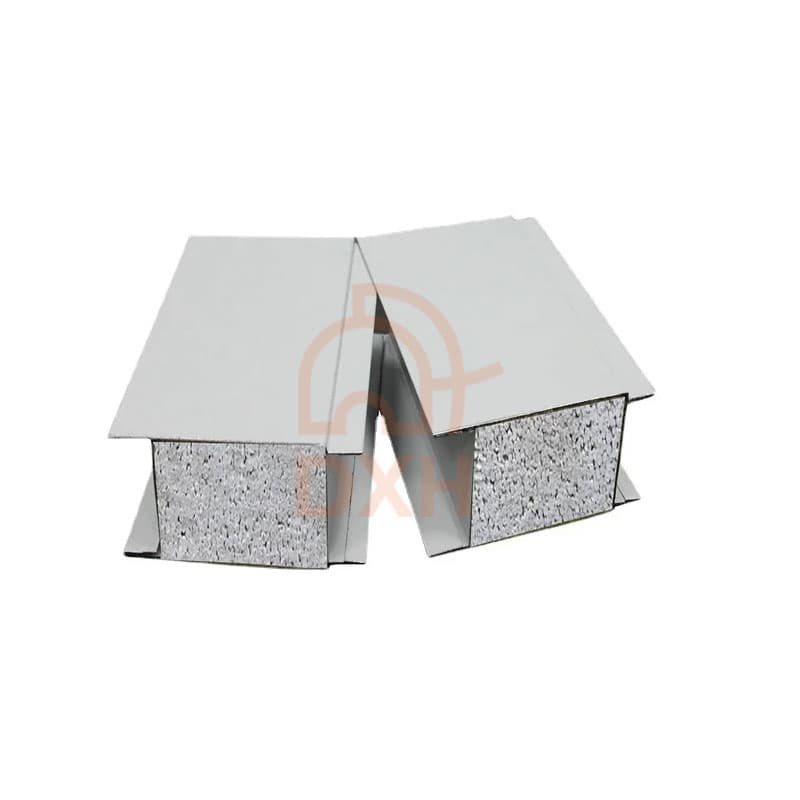
Specifications and Properties
|
Core Material |
Silica rock |
|
Width |
950mm, 1150mm |
|
Thickness |
50mm, 75mm, 100mm |
|
Core Density |
Range 60-100 kg/m³ |
|
Thermal Conductivity |
0.035 to 0.045 W/(m·K) |
|
Fire Resistance |
Class A |
|
Panel Material |
Galvanized/stainless steel, aluminum alloy, coated metal sheet |
|
Shape / Profile |
H-panels (flat or pressurized), tongue and groove panels, or corrugated panels |
Silica Rock Sandwich Panel Features and Benefits
Excellent Thermal Insulation: Silica rock cores provide effective thermal insulation, helping to maintain a comfortable indoor temperature and potentially reducing energy consumption.
High Temperature Resistance: Silica rock sandwich panels are rated as Class A fire-resistant and withstand high temperatures (over 1500°C). This makes them well-suited for uses that help mitigate the risk of fire.
Non-combustibility: Many mineral rock sandwich panels are classified as non-combustible, a crucial characteristic for ensuring fire safety in buildings and installations.
Lightweight and Strong: These panels are relatively lightweight while providing strength and structural integrity, making them easy to transport and install, and reducing construction costs.
Durable and Moisture Resistant: Silica rock Sandwich Panels are typically characterized by their good resistance to corrosion, water, and mold, resulting in long life and low maintenance.
Environmentally friendly: These panels are often made from inorganic, non-combustible mineral fibers, providing a safe alternative to traditional combustible insulation panels and enhancing overall building safety.
silicon rock sandwich panels Common Uses
Industrial / Medical Construction: For industrial and medical buildings, silica sandwich panels are an excellent choice for walls, partitions, and roofs. They offer particular advantages in industries such as pharmaceuticals, electronics, and food processing.
Prefabricated Buildings: Due to their ease and speed of installation, these panels are a popular choice for modular and prefab constructions, such as mobile offices and temporary accommodations.
Cold Storage Facilities: The high thermal insulation properties of silicon rock sandwich panels make them ideal for constructing cold rooms and freezers, where maintaining a stable ambient temperature is crucial.
Specialized Environments: In settings that require strict control over air quality and cleanliness, mineral rock sandwich panels are used for partitions and ceilings in cleanrooms across the pharmaceutical, food, cosmetics, and precision manufacturing industries.
Structural Buildings: They are used in various civil engineering projects (industrial or commercial) as lightweight walls, floor slabs, and roof cladding for fire protection, thermal, and acoustic insulation.
Frequently Asked Questions
To help you create a list of FAQs from an installation perspective, here are some frequently asked questions and answers designed to address concerns, challenges, and best practices for silica sandwich panel professionals.