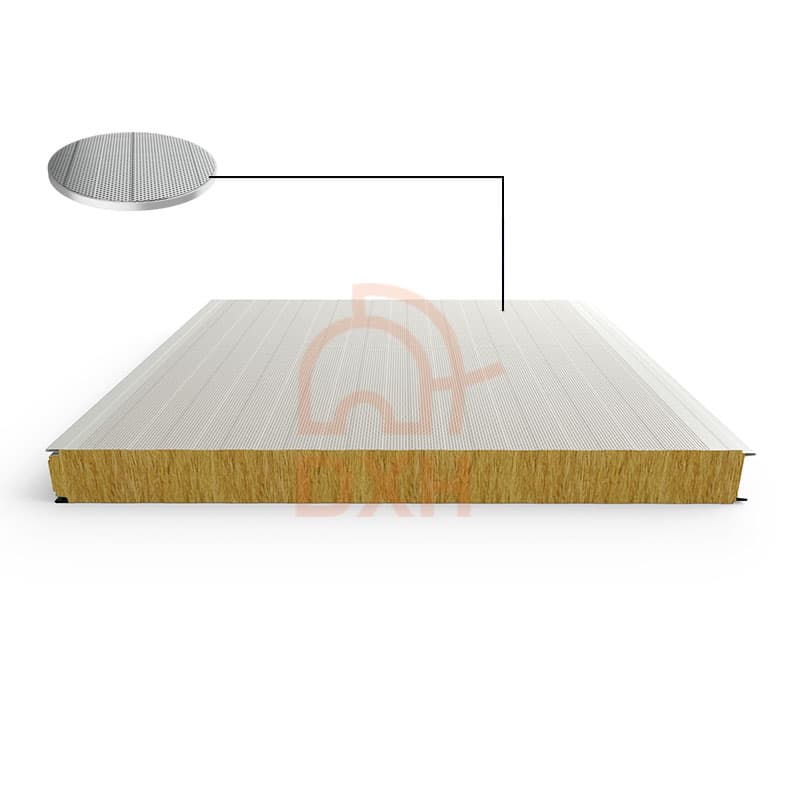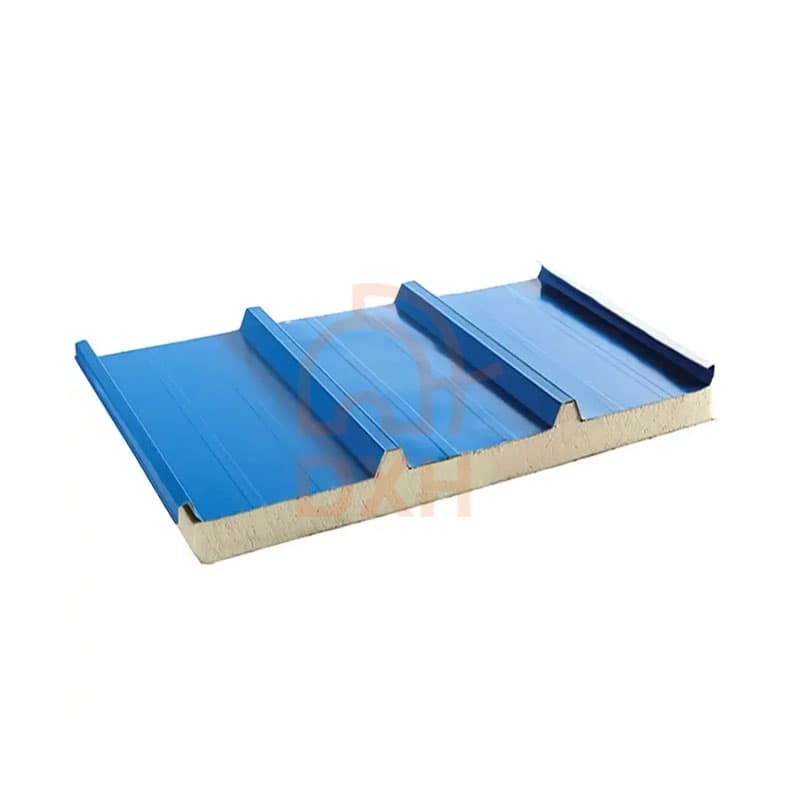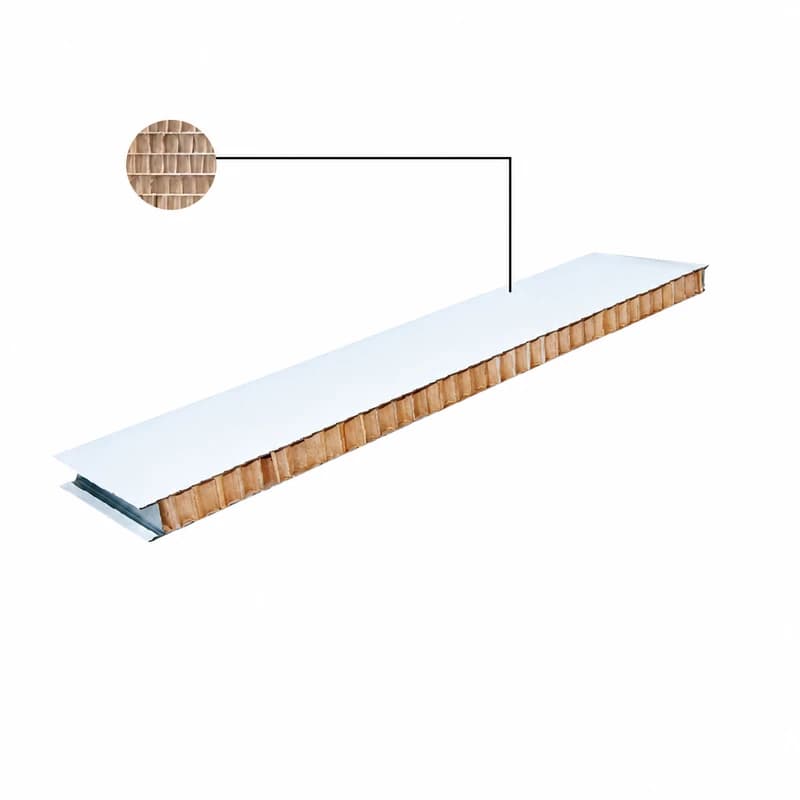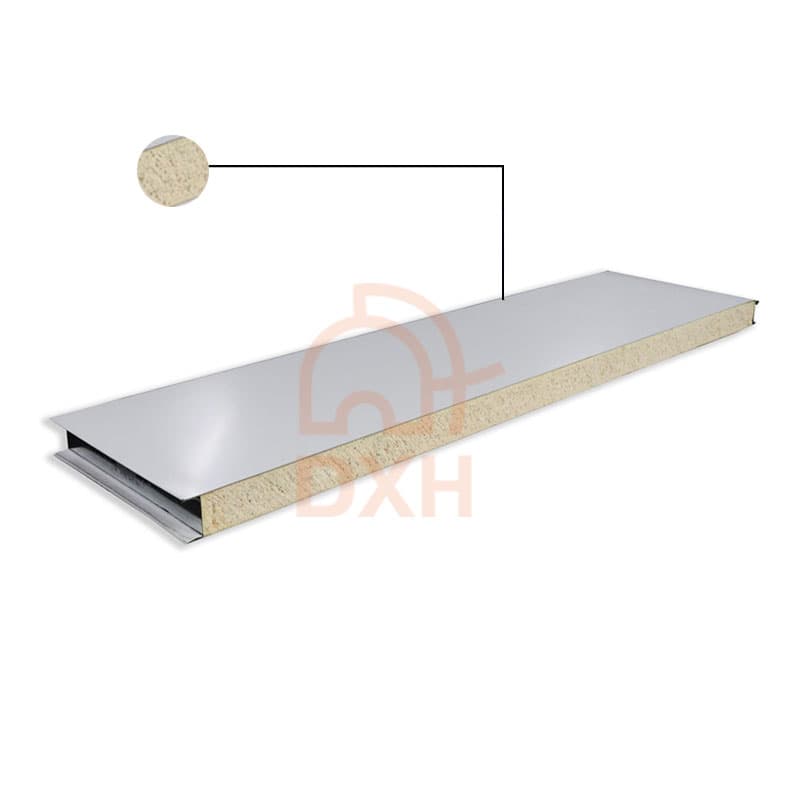

Technical Specifications
| Specification | Value / Range |
|---|---|
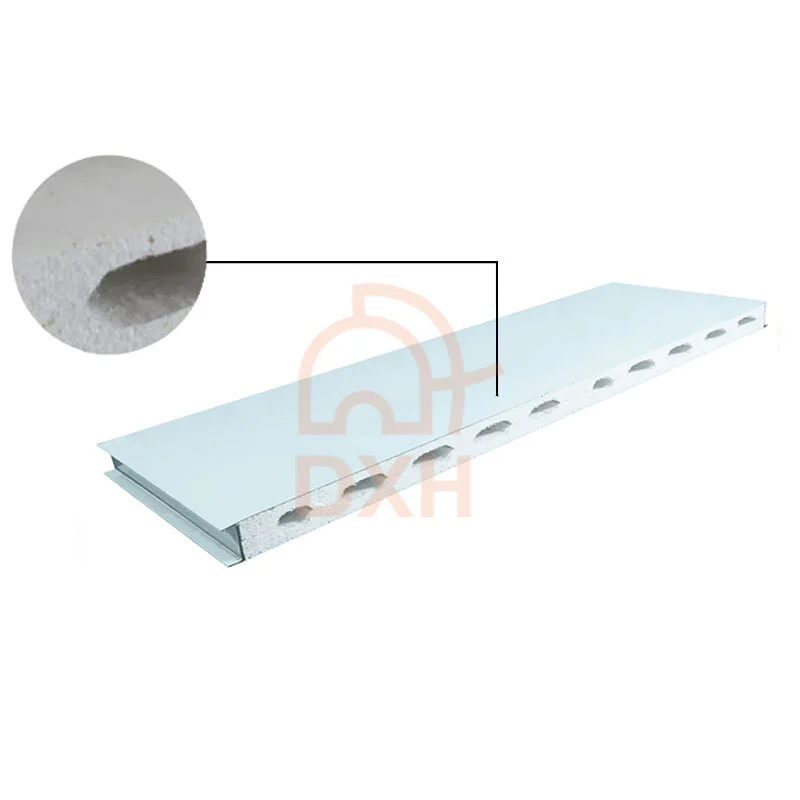
| Panel Width | 950 mm, 1150 mm |
| Panel Thickness | 50 mm, 75 mm, 100 mm, 125 mm, 150 mm, 200 mm |
| Steel Sheet Thickness | 0.4 mm – 0.8 mm (color-coated or stainless steel) |
| Core Density | Ranges from 220 – 280 kg/m³ |
| Thermal Conductivity | ≈ 0.055 W/(m·K) |
| Fire Rating | Class A1 |
| Water Absorption Rate | ≤ 0.8% |
| Chloride Content | Zero (chloride-free formulation) |
| Panel Profile / Shape | Tongue-and-groove; flat plate; corrugated / pressed type |
| Facing Material | Color-coated steel or galvanized steel with multi-layer corrosion-resistant coating |
Where Are Magnesium Oxysulfide Sandwich Panels Used?
Magnesium Oxysulfide Sandwich Panels are specified in environments that demand certified fire resistance, controlled temperatures, and strict hygiene standards, including:
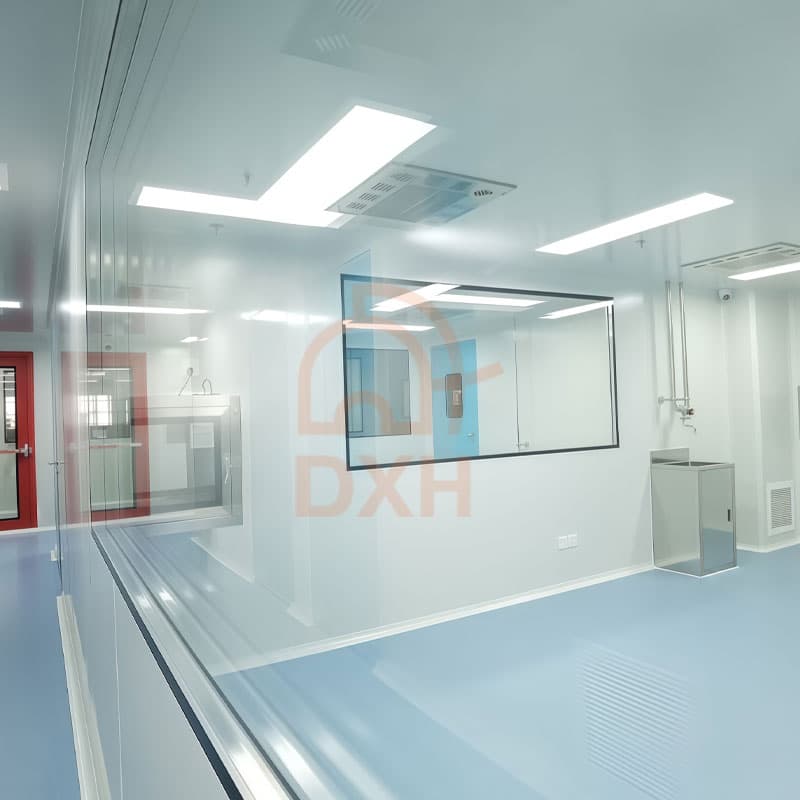
• Cleanrooms in pharmaceutical, biotechnology, electronics, and food processing plants
• Partitions in hospital wards, operating rooms, laboratories, and data centers
• Cold storage facilities, refrigerated warehouses, and food distribution centers
• Interior and exterior walls of industrial plants, large warehouses, and distribution centers
• Exhibition halls, sports arenas, and large-span commercial buildings
• Prefabricated houses, container homes, and modular construction projects
Features and Advantages of MOS Sandwich Panels
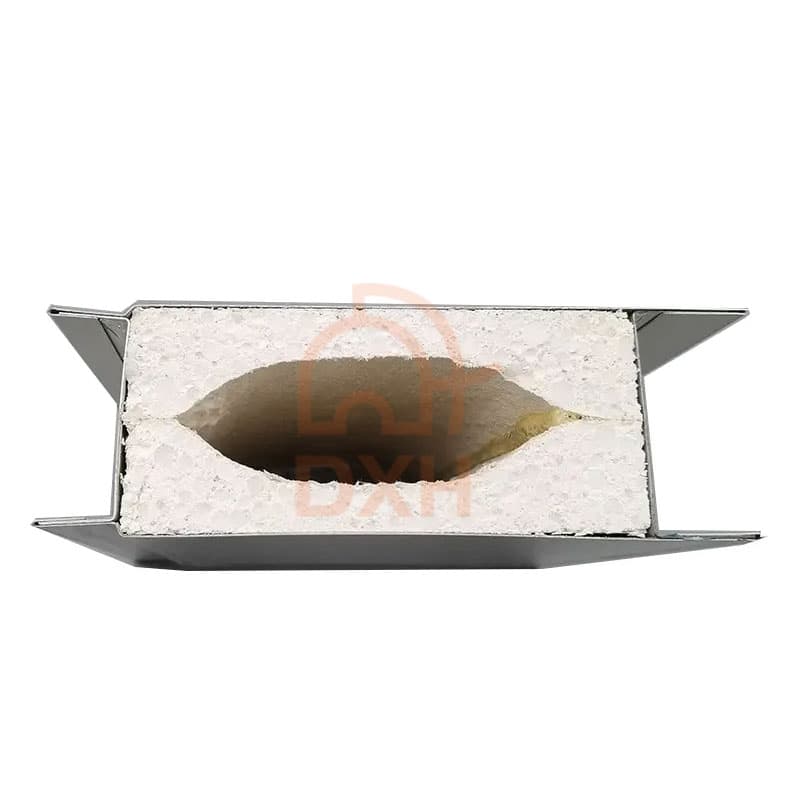
• High Structural Strength and Durability: The MOS core material is bonded to steel panels, delivering impact resistance and structural durability. This panel maintains dimensional stability over extended periods, resisting deformation and cracking under thermal cycling and mechanical loading.
• Non-Combustible: The core of magnesium oxysulfide sandwich panels does not ignite or release toxic fumes even at temperatures exceeding 1,200°C. This makes them suitable for hospitals, data centers, pharmaceutical facilities, and any structure where fire containment is critical.
• No Corrosion, No Sweating: MOS panels use magnesium sulfate instead of magnesium chloride, eliminating this problem. The result is a structurally stable panel with a longer service life and no risk of interior steel corrosion.
• Non-Toxic: MOS sandwich panels are manufactured without hazardous substances. They comply with green building standards and do not off-gas harmful compounds during installation or use.
• Moisture and Mold Resistance: The dense, low-porosity MOS core provides excellent resistance to moisture ingress, mold growth, and humidity-related degradation, making it well-suited for cold storage, food processing plants, and any humid or wet environment.
• Thermal Insulation: Magnesium oxysulfide panels with a thermal conductivity help maintain stable indoor temperatures and reduce heating and cooling loads, contributing to energy savings over the building's lifetime.
• Acoustic Performance: The dense, airtight solid core provides meaningful sound insulation, making MOS panels suitable for industrial and commercial spaces.
Installation of Magnesium Oxysulfide Sandwich Panels
Proper installation is critical to achieving the panel's performance. Follow these guidelines:
1. Substrate Preparation: Ensure wall or roof substrates are level, structurally sound, clean, and free of loose particles, dust, and grease. Proper substrate preparation is essential for loading the rated bond strength and load transfer between the panel and supporting structure.
2. Joint Sealing: Seal all panel joints and perimeter seams using a compatible, professional-grade sealant suitable for the application environment. Proper joint sealing prevents air infiltration and moisture ingress, thereby protecting the building's thermal insulation and long-term performance.
3. Fastening and Fixing: Select fasteners and fixing methods due to the project's structural design specifications. Fasteners must be capable of withstanding wind and seismic loads, or thermal expansion/contraction forces at the installation location.
4. Fire Safety During Installation: Although magnesium oxysulfide panels are non-combustible, maintain safe distances from open flames, welding equipment, high-temperature tools, and panel surfaces during installation. Protect panel surfaces from weld spatter and high-temperature damage.
5. Expansion Joint Provision: Install expansion joints at intervals specified in the project design to accommodate thermal expansion and contraction. Insufficient expansion joints may cause panel buckling or joint failure.