How Acoustic Sandwich Panels Absorb Sound
The sound-absorbing principle of acoustic sandwich panels is primarily based on the acoustic theory of porous materials. The key points are as follows:
Sound Wave Incidence: Sound waves contact the surface of the sound-absorbing panel and enter the pores.
Sound Wave Penetration: Sound waves are repeatedly refracted and absorbed within the porous structure, dissipating their energy.
Sound Energy Conversion: The kinetic energy of sound waves is converted into heat through friction within materials such as fibers and foam, resulting in the sound absorption effect.
Reduced Reflection: Sound waves are less likely to reflect into the interior, effectively reducing noise.
Depending on the absorption frequency, acoustic panels can provide targeted treatment for low-, mid-, or high-frequency noise. In the design, it is often necessary to select the panel structure and material type that matches the frequency characteristics of the sound source.
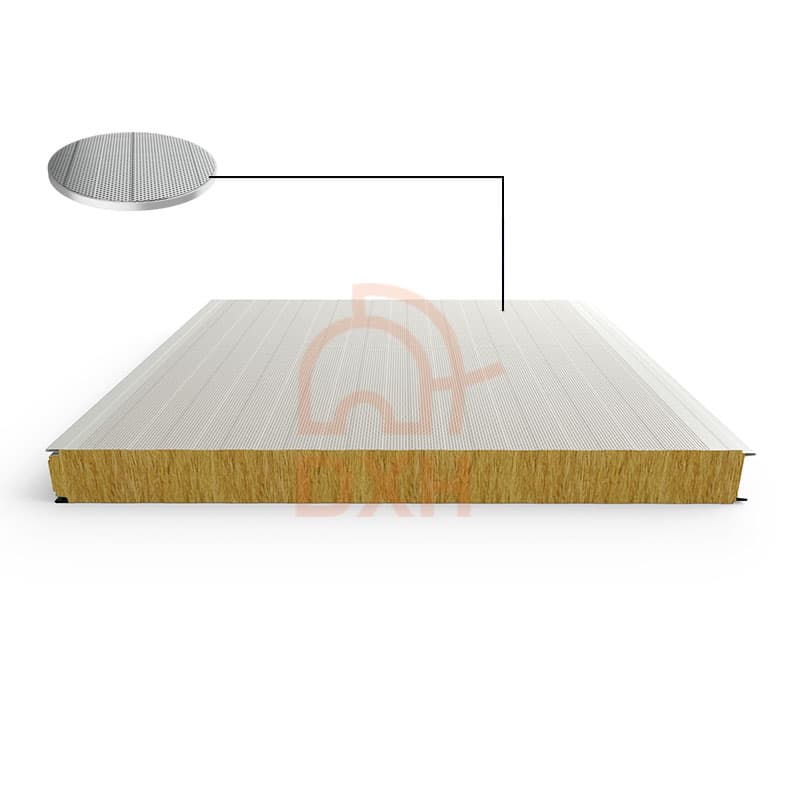
Types of Acoustic Sandwich Panels
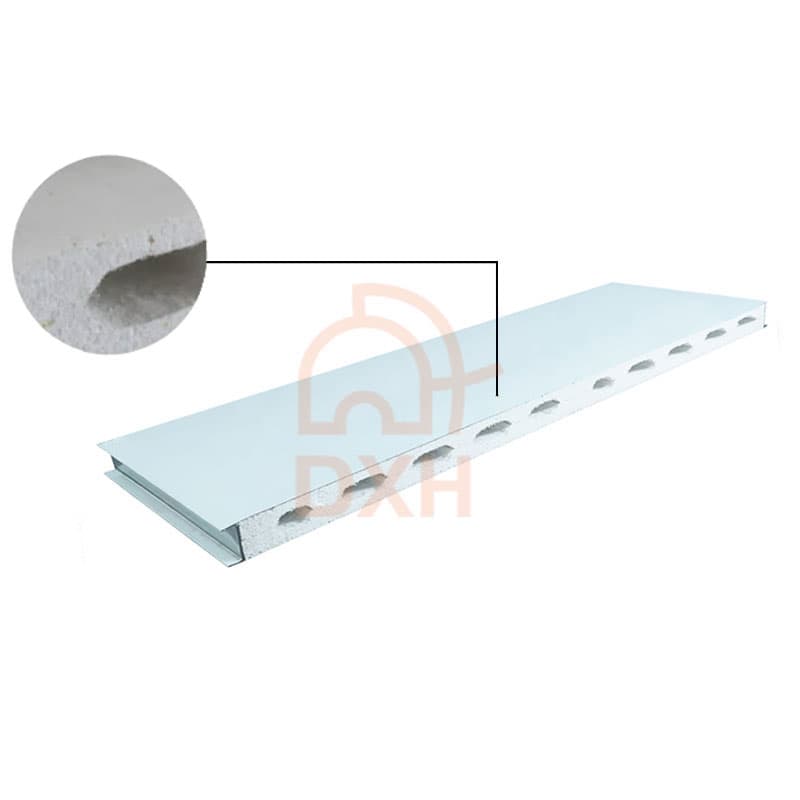
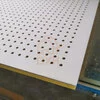
Perforated Acoustic Panels
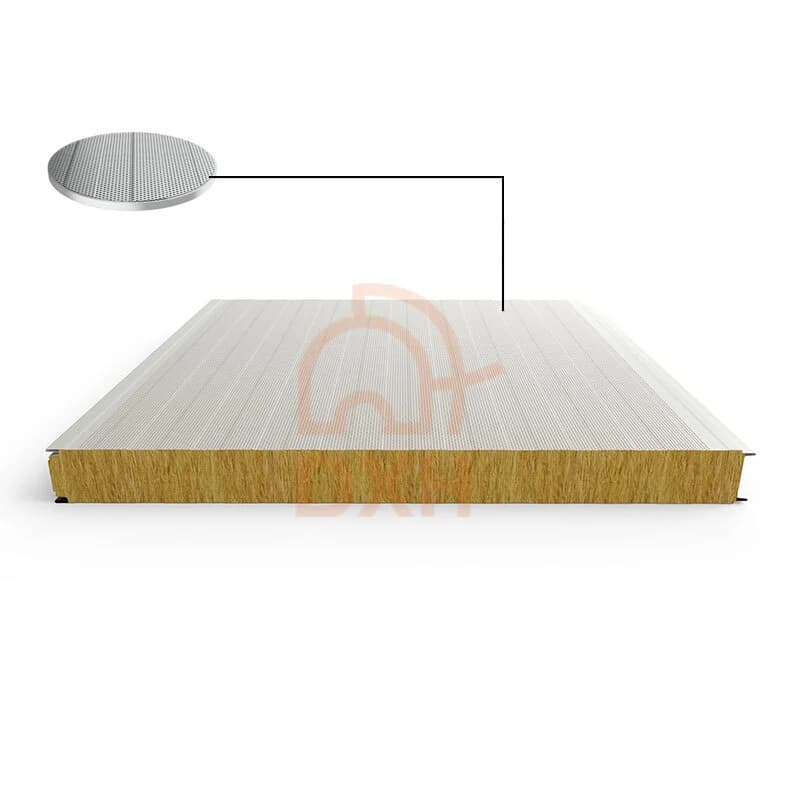
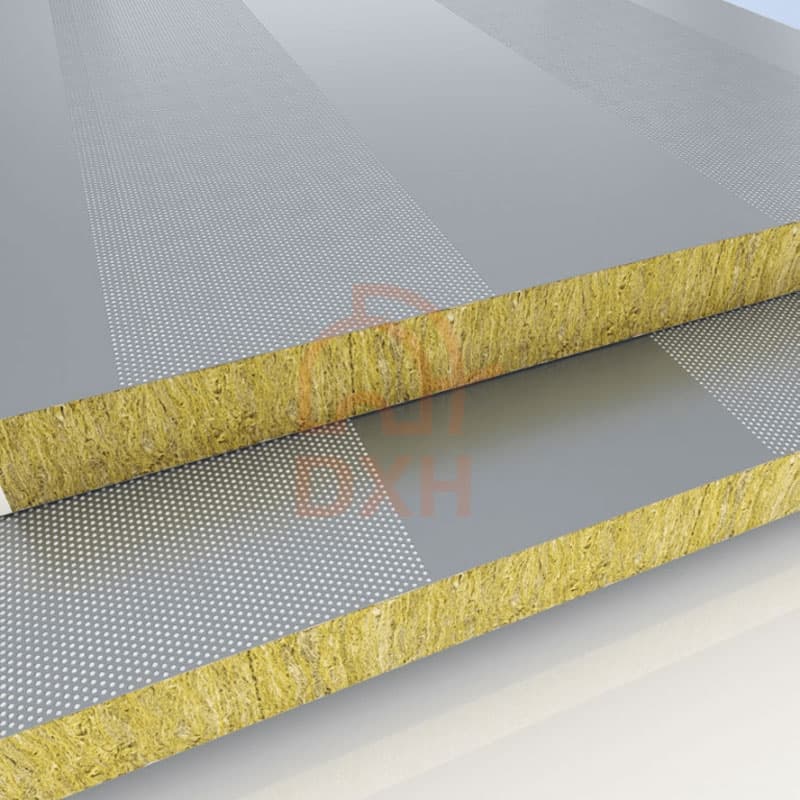
The surface layer consists of perforated metal or MDF, filled with sound-absorbing materials such as glass wool or rock wool. The back of the panel is enclosed to form a resonant cavity. It is primarily suitable for controlling mid- and high-frequency noise and is commonly found in conference rooms, airports, and industrial workshops.
Slotted Acoustic Panels
The panel features regular slots and perforations on the back, and is designed to be used in conjunction with sound-absorbing foam. It features a wide sound absorption band and excellent decorative effect, making it widely used in theaters, concert halls, studios, and other venues.
Polyester Fiber Acoustic Panels
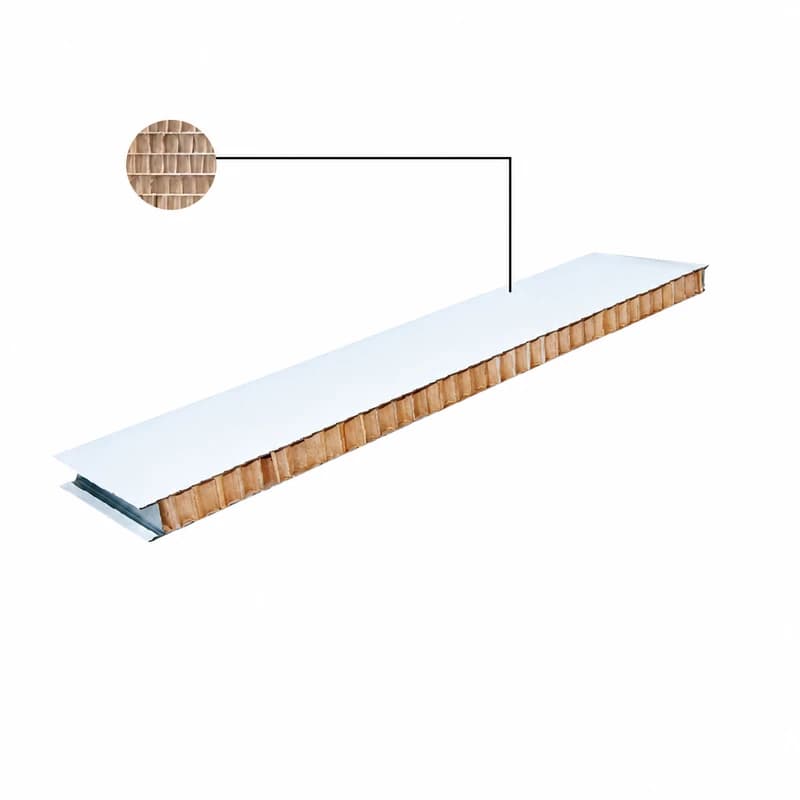
Made from a porous fiber material synthesized by high-temperature hot pressing, it has a high density, is easy to install, and can be cut to shape. It is suitable for indoor environments such as offices, conference rooms, and schools.
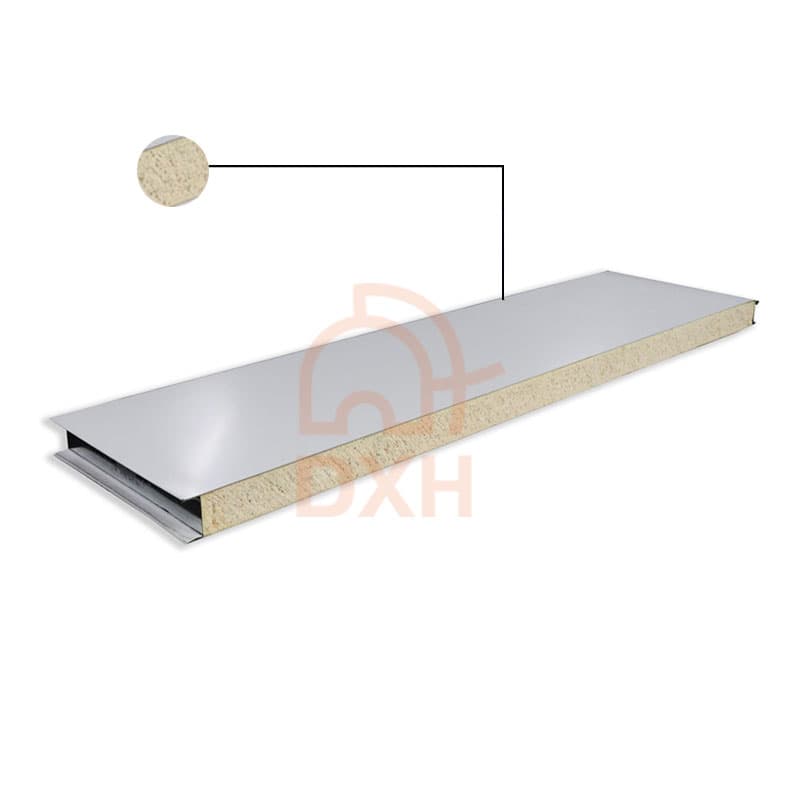
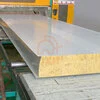
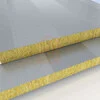
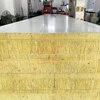
Rockwool/Glasswool Acoustic Panels
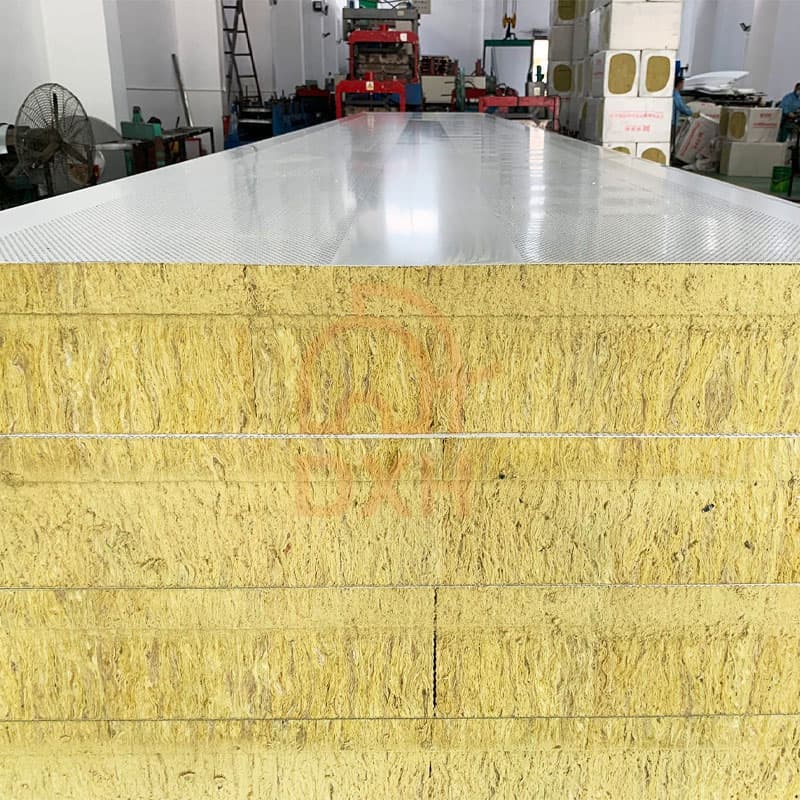
Constructed of high-density sound-absorbing foam covered with sound-permeable fabric or metal panels. Suitable for large spaces and areas with high noise levels, such as fan rooms, cooling towers, and generator rooms.
Foam Acoustic Panels
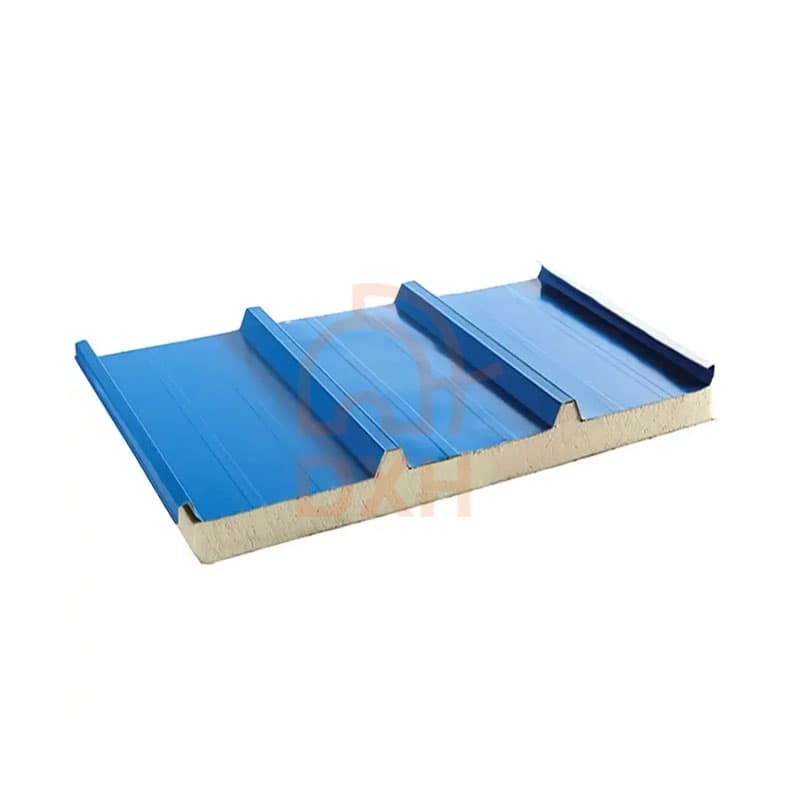
Made of foam materials such as polyurethane and PE, they are lightweight and cost-effective, making them suitable for local renovations or home noise reduction.
Performance of Sound-Absorbing Panels
Excellent Sound Absorption: Sound-absorbing panels effectively absorb mid- and high-frequency sounds from 500Hz to 4000Hz. Some designs can also attenuate low-frequency sounds (such as air conditioning noise and low-frequency equipment), achieving a sound absorption coefficient of over 0.85.
Fire Resistant: High-quality acoustic insulated panels are often made of non-combustible Class A materials (such as rockwool, glass, magnesium board, and metal panels). It has passed the national building material fire resistance certification and is suitable for use in places with high public safety requirements.
Moisture-proof and Mildew-proof: The inner core and outer layer materials of the soundproof sandwich panels are non-toxic and environmentally friendly. They are moisture-resistant, corrosion-resistant, and mildew-resistant, making them suitable for humid environments and areas with high cleanliness requirements.
Structurally Stable and Decorative: The perforated and slotted sound-absorbing sandwich panels can be customized with a variety of colors and textures, balancing architectural acoustic performance with interior aesthetics.
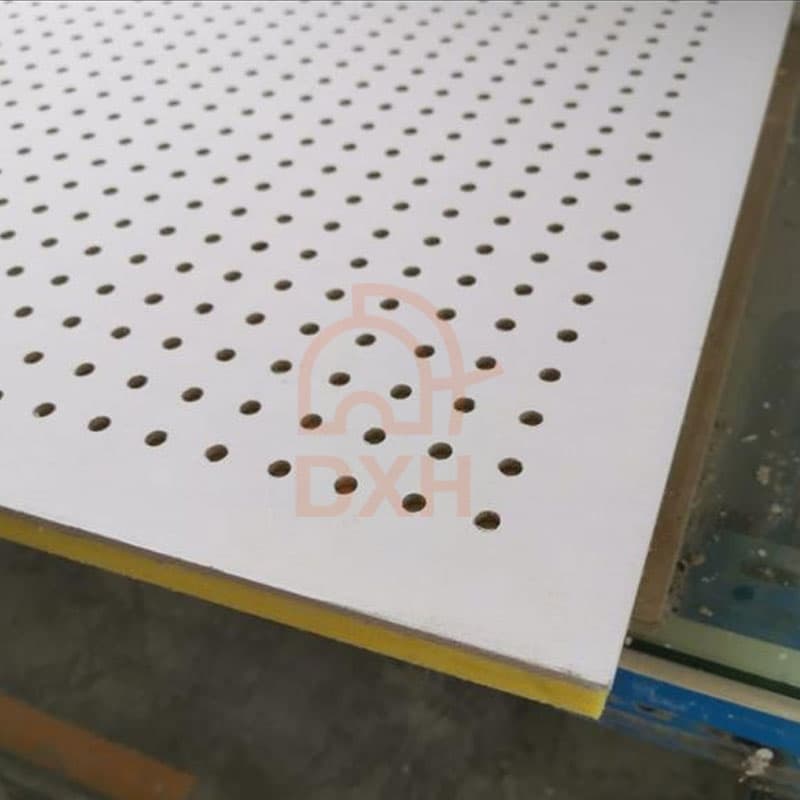
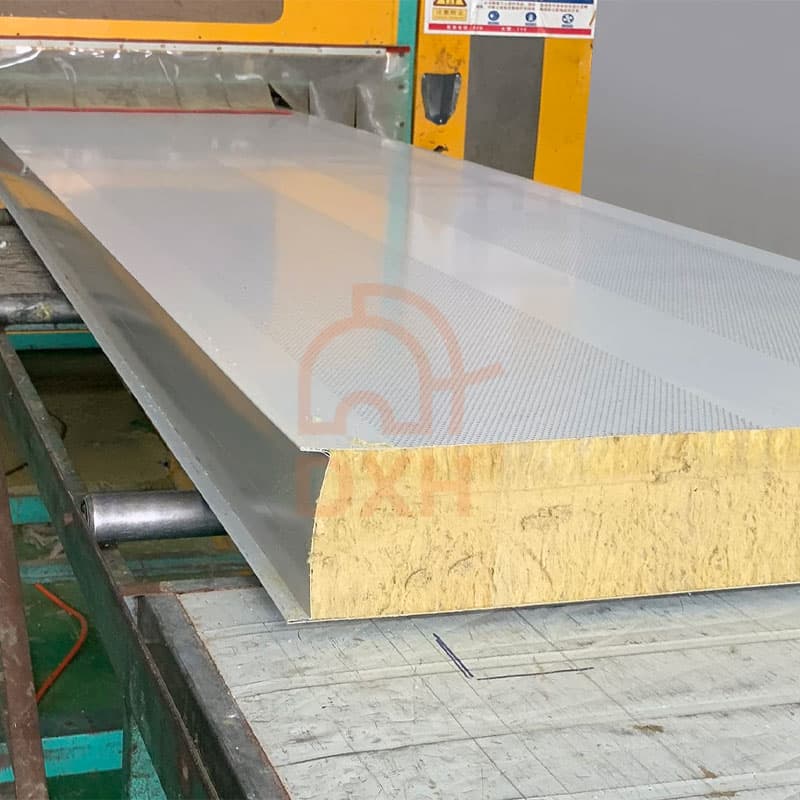
Applications of Sound-absorbing Panels
Medical and Healthcare Facilities: Sound insulation panels help reduce equipment noise and provide a comfortable rest for patients. Like Hospitals' operating rooms, ICU wards, and laboratory rooms offer a quiet and low-noise environment.
Industrial and Equipment Rooms: For areas with high noise levels, such as fan rooms, air compressor rooms, and pump rooms. Using wall/ceiling sound absorption treatments can effectively reduce the overall sound pressure level.
Transportation: Public transportation venues, including subway stations, high-speed rail halls, and airport terminals with high passenger and frequent equipment operation, can use acoustic panels to create a comfortable environment.
Schools and Offices: Buildings with stringent requirements for a quiet environment, such as teaching buildings, libraries, and office buildings, utilize sound insulation sandwich panels to reduce echoes and noise disturbances.
Entertainment and Performance Spaces: The theaters, karaoke bars, and studios require extremely high acoustic quality. Acoustic sandwich panels not only reduce noise but also control reverberation time, optimizing sound quality.
Frequently Asked Questions
2. Wall Mounting: Attached to the wall using self-tapping screws, adhesives, or a slotted system. This is commonly used in conference rooms, computer rooms, and other areas.
3. Localized Wrapping: Customized soundproofing covers, sound-absorbing walls, and sound barriers are available for specific equipment or areas.
2. Ensure that the holes are unobstructed to prevent loss of sound absorption.
3. Ensure tight joints to prevent sound leakage.
4. For high-humidity areas, choose waterproof panels and mildew-resistant core materials.
5. Regularly inspect and maintain the sound-absorbing material to keep it clean and dry.