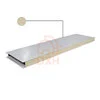
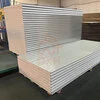
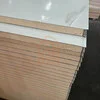
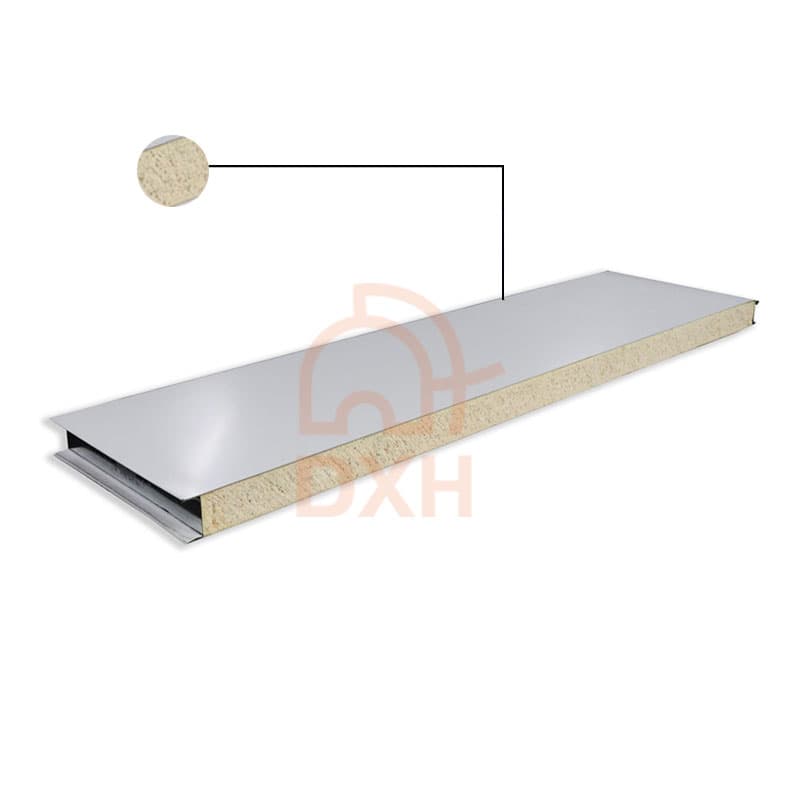
Specifications and Properties
|
Width |
950mm, 1150mm |
|
Length |
Customized according to project requirements and transportation conditions |
|
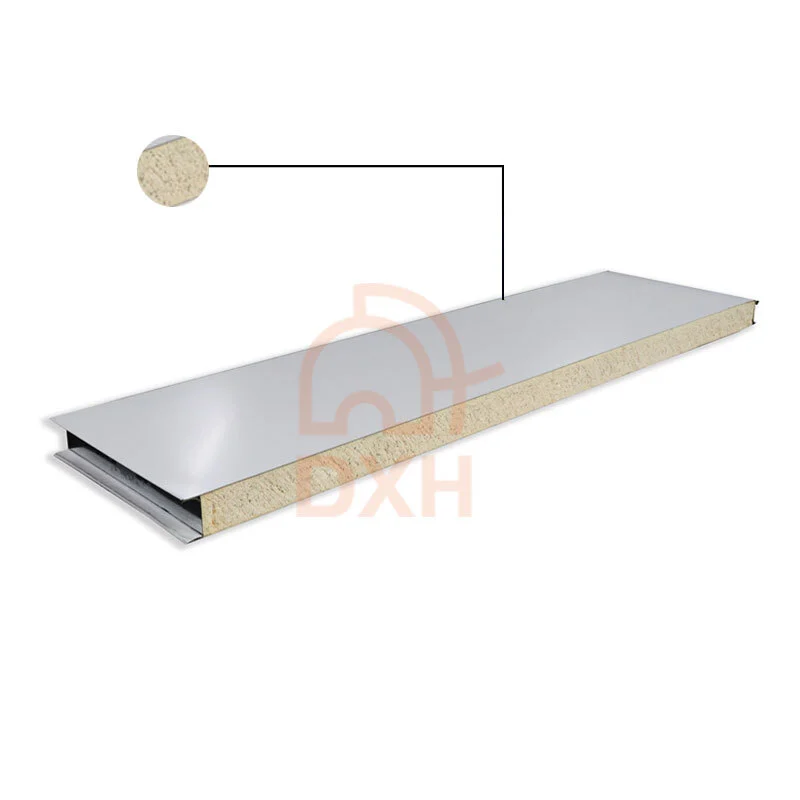
Core Material |
Phenolic Foam |
|
Thickness |
50mm, 75mm, 100mm, 200mm |
|
Core Density |
35 to 100 kg/m³ |
|
Thermal Conductivity |
Usually 0.018 to 0.023 W/m·K |
|
Panel Material |
Color steel, stainless steel |
|
Panel Profiles |
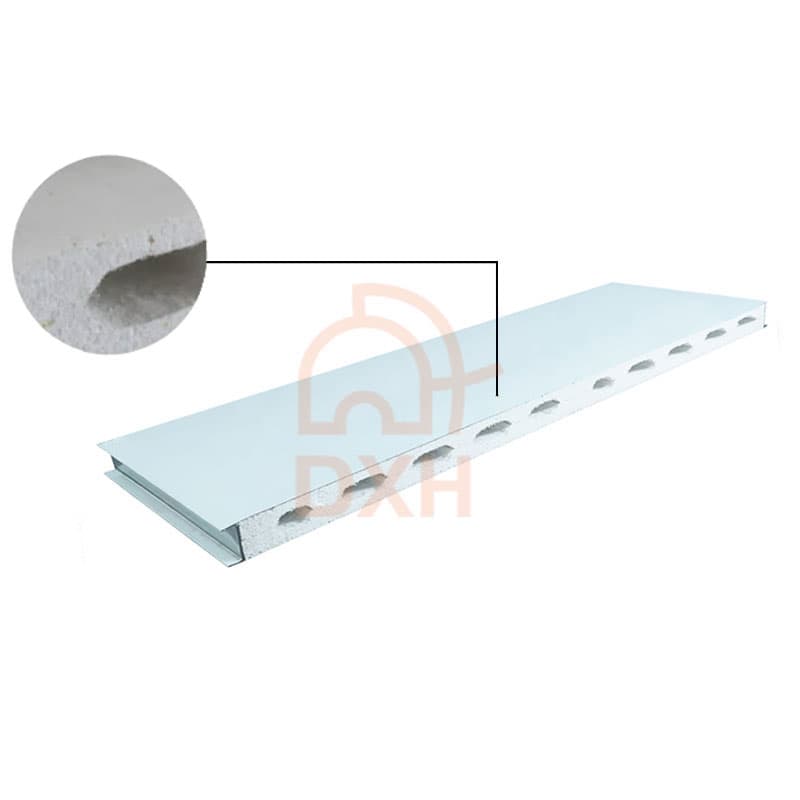
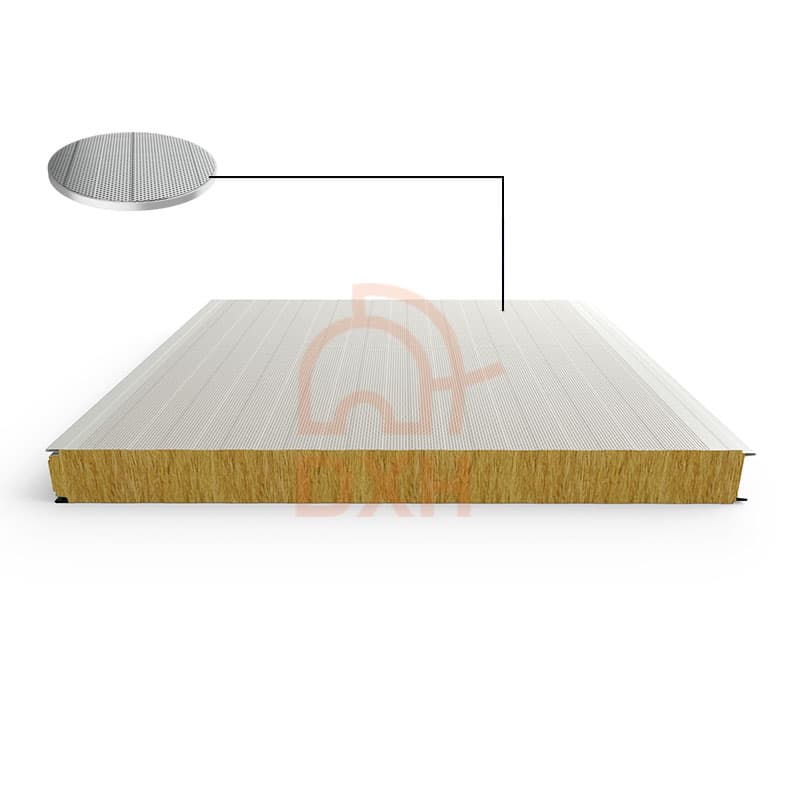
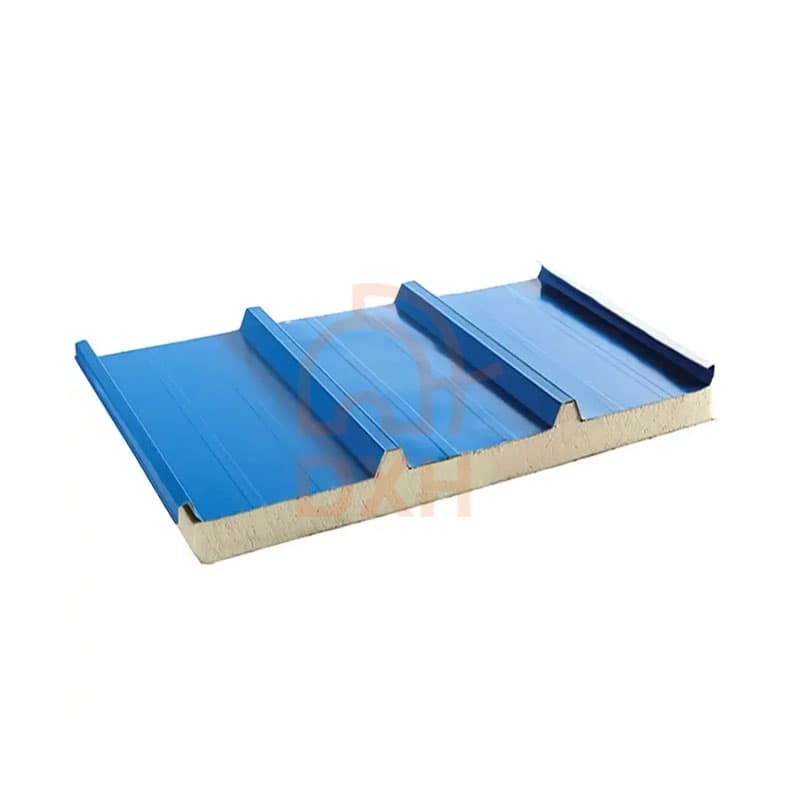
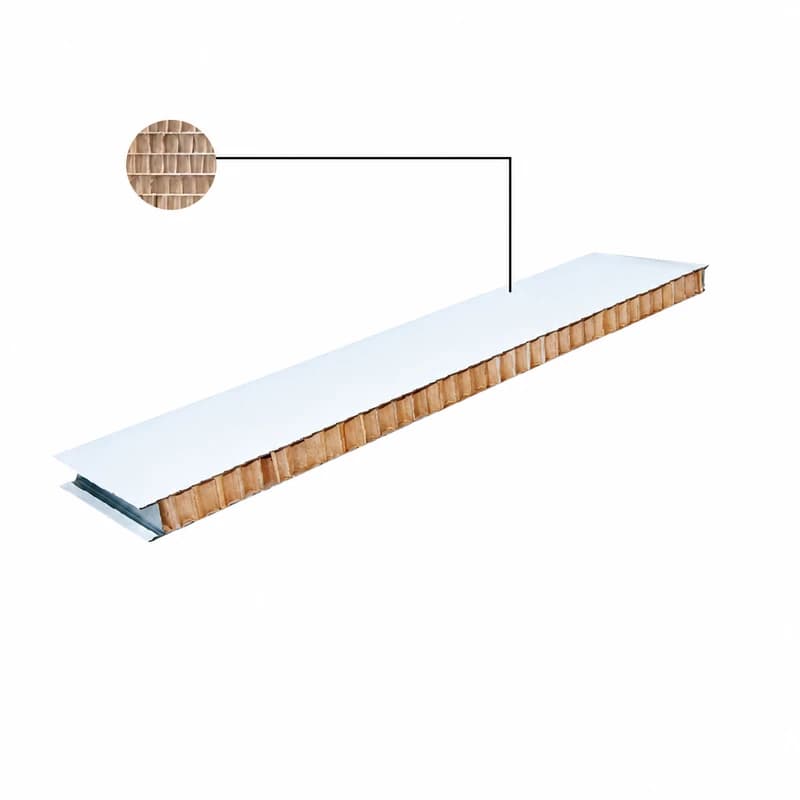
H-panels (flat and profiled), tongue-and-groove, and corrugated panels |
|
Color |
Select according to project requirements |
|
Applications |
External walls, partition walls, interior ceilings, insulation for prefabricated buildings |
Main Benefits of Phenolic Sandwich Panels
Fire Resistance: Phenolic foam is non-flammable, produces minimal smoke and toxic gases during a fire, and meets high fire safety standards.
Thermal Insulation: With a low thermal conductivity (as low as 0.018 W/m·K), these panels provide excellent insulation. They enable thinner panels to deliver the same thermal performance as thicker alternatives.
Lightweight and Easy to Install: Their lightweight feature facilitates easy transportation and installation. Their low density reduces overall building weight and supports quick, efficient assembly.
Structural Strength: The composite structure offers high pressure and shear strength, resisting wind loads and enhancing overall building stability.
Aesthetic Appeal: Available in various textures and colors, phenolic panels can be customized for different architectural styles. They also resist weathering, abrasion, and chemicals.
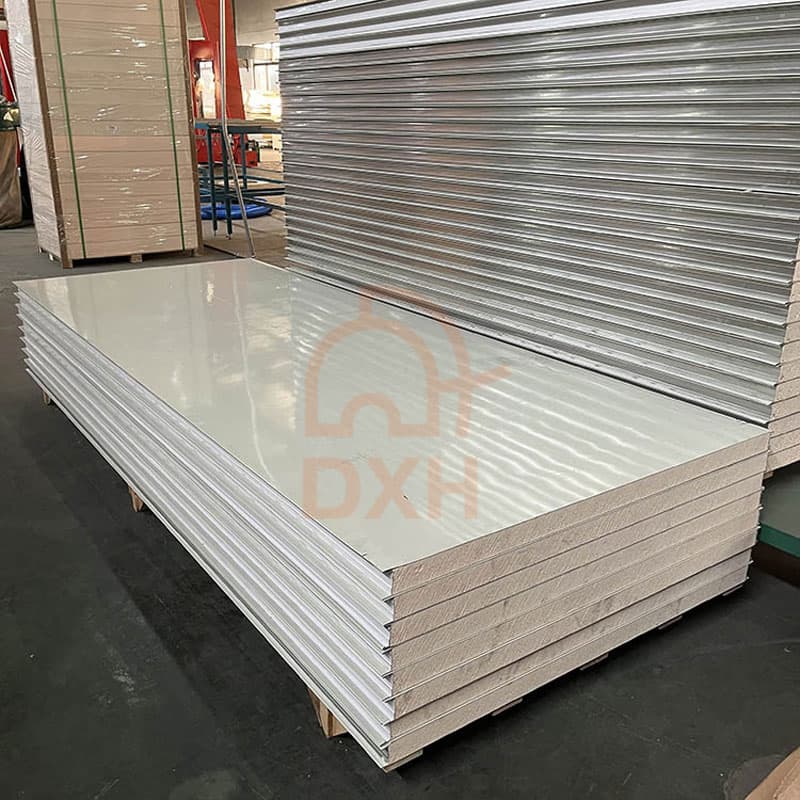
Phenolic Sandwich Panels: Common Uses
Structural Insulation Panels: Ideal for walls, roofs, and partitions in prefabricated buildings, container homes, and industrial facilities.
Roofing: Used to insulate steel-framed roofs, providing durable, attractive, and thermal insulation.
Special Environments: Suitable for clean rooms, refrigeration facilities, and food or beverage processing environments due to their cleanliness and insulation properties.
Transportation: With high strength-to-weight ratios and fire resistance, they are used in railroads, aircraft, and other transportation modes.
HVAC: Phenolic panels are commonly used in commercial and industrial ductwork, offering lightweight properties, low thermal conductivity, and enhanced fire safety.
Refrigeration: Due to its good temperature control, it is suitable for cold rooms and storage facilities.