Benefits of Modular Hospital Construction for Healthcare
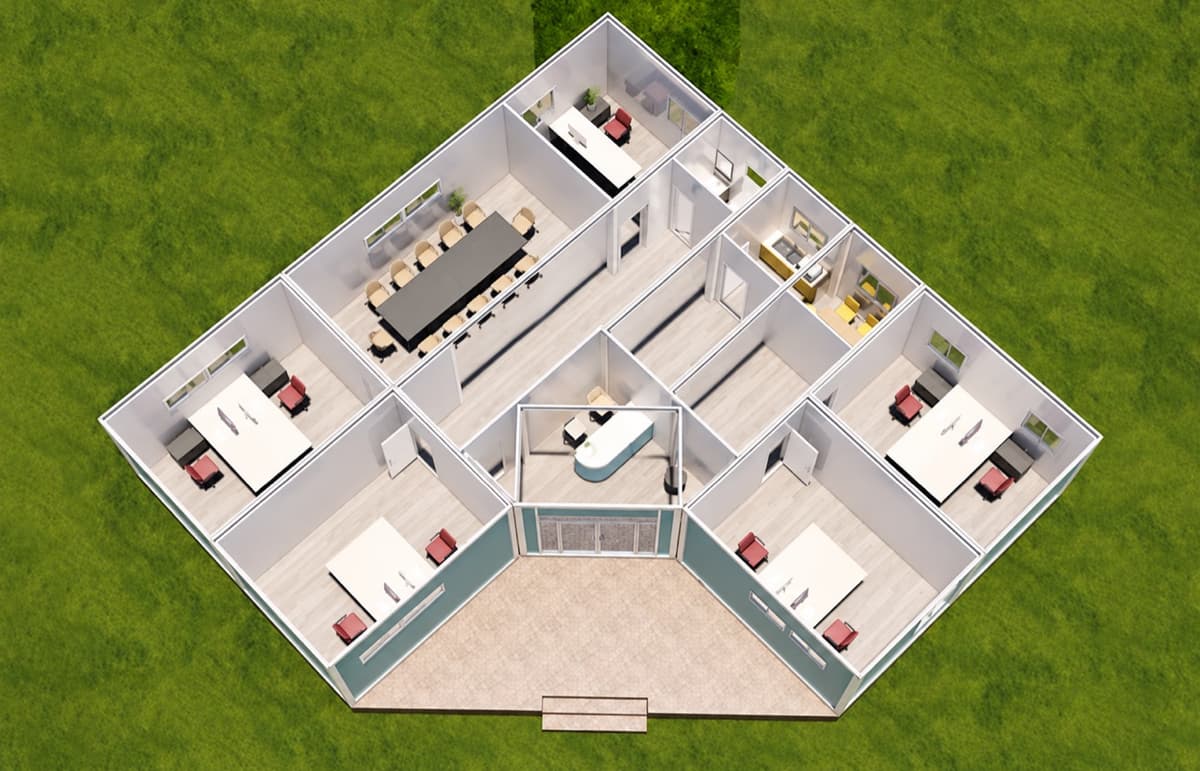
Modular hospital construction offers a fast, scalable alternative to aging infrastructure, surging patient demand, disaster response, and rural access gaps. Factory-manufactured components are assembled on-site in a fraction of the time, at an affordable cost, and with minimal disruption to existing operations.
At Cowinlife, we have spent over a decade engineering prefabricated, modular buildings, from single-room modular clinics to multi-ward hospital complexes. Whether you need an emergency field hospital that can be deployed within days or a permanent modular hospital building that will serve your community for decades, we have the solution for you.
What is Modular Hospital Construction?
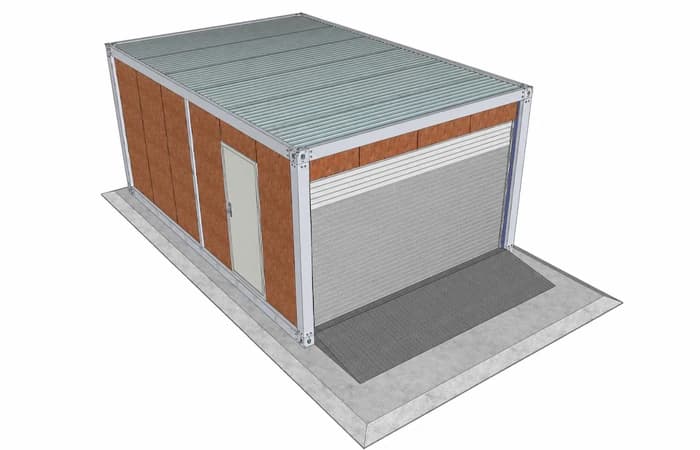
Modular hospital construction is a prefabricated building method in which individual hospital components—insulated panels, walls, ceilings, electrical, and plumbing are manufactured in a controlled factory environment and then transported to the site for rapid assembly.
Unlike traditional construction, where all components are built on-site in sequence, modular healthcare facilities allow site preparation and factory prefabrication to proceed simultaneously. The result is a project timeline shortened by up to 50%, more consistent quality, and significantly reduced on-site disruption.
Modular healthcare buildings can serve as:
- • emergency or temporary hospital construction (disaster response, pandemic surge capacity)
- • Permanent hospital expansions (new wards, ICUs, operating rooms, diagnostic labs)
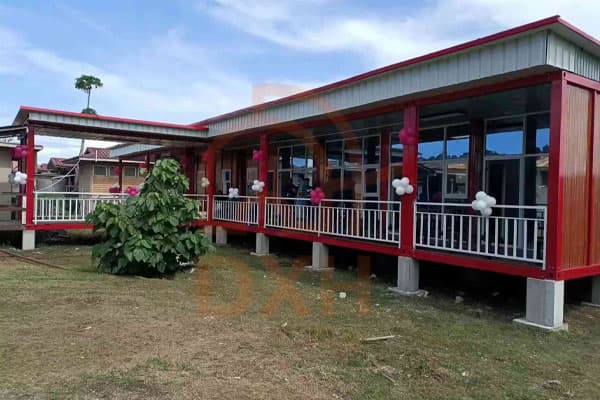
- • Standalone modular clinics in rural or underserved communities
- • Military medical facilities in remote or conflict zones
- • Mobile medical units for outreach programs and NGOs
Why Choose Modular Construction for Healthcare Facilities?
1. Up to 50% Faster Project Delivery
Traditional hospital construction can stall due to weather, labor shortages, or supply chain issues. Modular construction by running site work and factory fabrication in parallel can deliver functional hospital facilities in weeks rather than months.
2. Lower Construction Costs
Modular healthcare buildings are factory-produced and more efficient than on-site construction. Bulk material purchasing, streamlined labor workflows, and reduced material waste drive construction costs down by 20%-35% compared to traditional methods.
3. Consistent, Code-Compliant Quality
Every modular hospital unit's structural components are fabricated from high-strength Corten steel. Each medical unit is inspected at the factory to ensure it meets healthcare and building code requirements before arrival on-site.
4. Minimal Disruption to Existing Operations
Modular construction keeps on-site noise, dust, and disruption to a minimum because the work is done off-site. Prefabricated hospital units arrive ready to connect, enabling uninterrupted care delivery throughout the project.
5. Scalable, Adaptable Infrastructure
The design of modular hospitals takes into full account evolving healthcare needs; container units can be added as needed to increase capacity or reconfigured to accommodate new clinical functions. Furthermore, they can be converted into mobile hospital units as required to meet the demands of various medical scenarios.
6. Sustainable Building Practices
Modular construction generates more than 50% less material waste than conventional building methods. Our prefabricated modular medical facilities use high-quality insulation materials and a sealed construction, enhancing energy efficiency throughout the building's entire lifespan. For healthcare institutions committed to sustainability, modular construction is the perfect choice.
Where Are Modular Healthcare Facilities Used?
Emergency and Disaster Response
In the event of a shortage of medical infrastructure, natural disasters, or viral outbreaks, emergency modular hospitals can be transported to areas where they are most needed and made fully operational within a matter of days.
Hospital Capacity Expansion
The modular expansion section integrates seamlessly with existing infrastructure, allowing for the addition of modular patient rooms or diagnostic suites to accommodate growing patient volumes or future needs without disrupting operations.
Remote Healthcare Clinics
Cowinlife's modular medical clinics provide healthcare services to rural communities with limited medical resources, offering affordable, rapidly deployable medical facilities in harsh environments.
Military Medical Facilities
The modular military medical unit is constructed from Corten steel and capable of withstanding extreme temperatures, high winds, and rough transport. It provides highly mobile, durable, and rapidly deployable medical support for military operations.
NGO and Humanitarian Health Programs
Cowinlife's cost-effective, modular clinic solutions provide NGOs working in crisis-stricken or resource-poor areas with mobile medical units that offer full clinical functionality.
What Can Be Customized in a Modular Hospital?
- Clinical Spaces: ICUs, operating rooms, isolation wards, emergency departments, diagnostic labs, X-ray rooms, dental clinics, vaccination stations, telemedicine rooms
- Patient Capacity: Single-room clinics to multi-ward hospital complexes using standard 20 ft and 40 ft modules
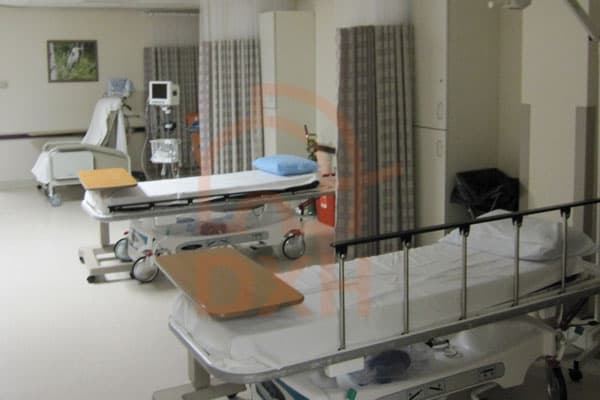
- Interior Finishes: Medical-grade vinyl flooring, hygienic wall panels, antimicrobial surfaces, privacy curtains, integrated lighting, and power
- Utility Systems: Solar panels, independent generators, HVAC, and climate control
- Structural Configuration: Single-story or multi-story stacking; freestanding or connected to existing buildings
- Mobility: Fixed permanent installation, semi-permanent, or fully relocatable configurations
For more detailed information on the customization options above, contact our sales team to receive comprehensive guidance tailored to your modular medical facility.
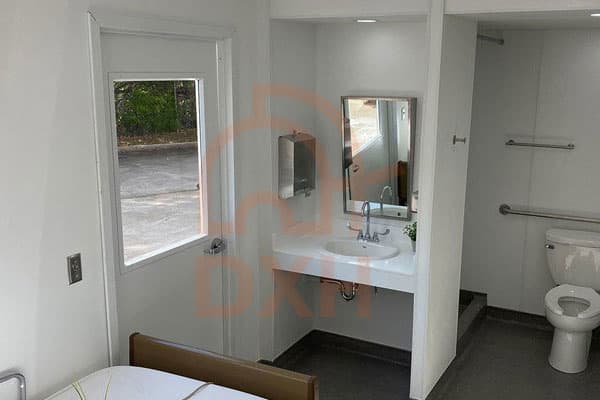
Cowinlife: Your Modular Healthcare Construction Partner
Cowinlife Container House Co., Ltd. (Cowinlife) is a China-based manufacturer with over 10 years of specialized experience in prefabricated modular construction. Our facilities produce modular hospital units, medical clinics, mobile medical containers, and full-scale healthcare facility systems for clients across Asia, Africa, and beyond.
We are committed to quality, which means every component is:
- • Manufactured under strict factory quality controls
- • Constructed from high-strength, pre-galvanized Corten steel with a structural lifespan exceeding 20 years
- • Compliant with ISO, CE, and international building codes
- • Tested for weatherproofing, seismic resistance, and transport durability
Contact Cowinlife today for a customized quote, floor plan design, and delivery schedule. Our technical team provides end-to-end support — from initial needs assessment and floor plan design through factory production, logistics coordination, and on-site installation guidance.
Frequently Asked Questions
Do Modular Hospitals Meet the Same Building Codes as Traditional Hospitals?
Yes. All modular hospital buildings from Cowinlife comply with international building codes. In many cases, factory-controlled production methods offer greater structural integrity than on-site construction.
Can Modular Hospitals be Used as Permanent Healthcare Facilities?
Permanent modular hospitals are an ideal solution for expanding medical centers without the lengthy construction timelines associated with traditional buildings. The modules are designed to have a service life of over 20 years.
How Fast can a Modular Hospital be Deployed?
Depending on the size and configuration, a modular hospital can be operational within weeks rather than months. Emergency care units can be deployed and operational within days of arriving on-site.
Can Modular Healthcare Buildings be Relocated or Reconfigured?
Yes. The modular design allows individual units to be disassembled, moved, and reassembled at a new location. Reconfiguration—such as adding intensive care units or expanding wards—is straightforward and causes minimal disruption to hospital operations.