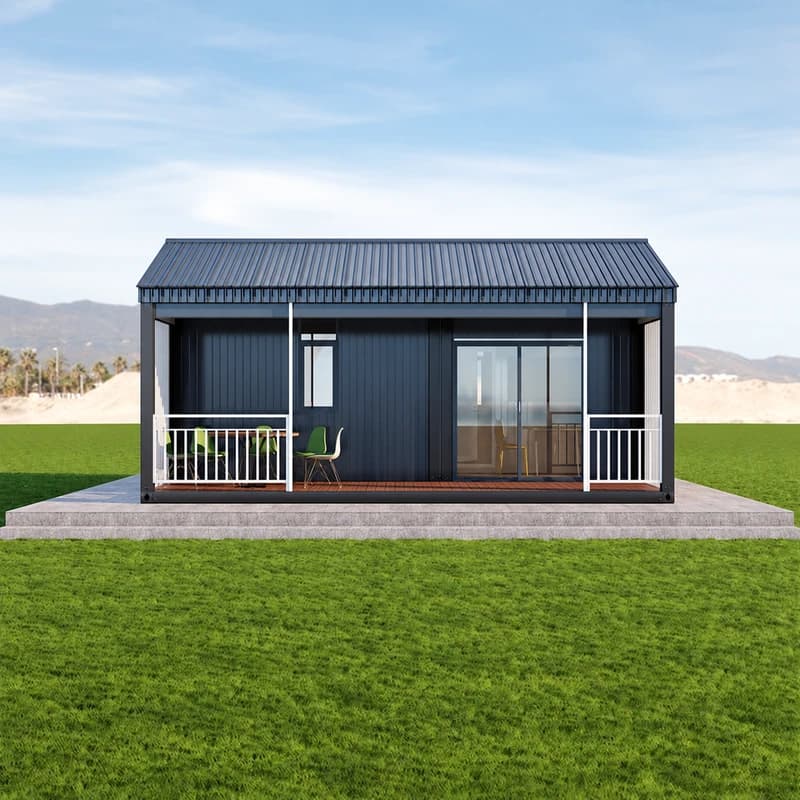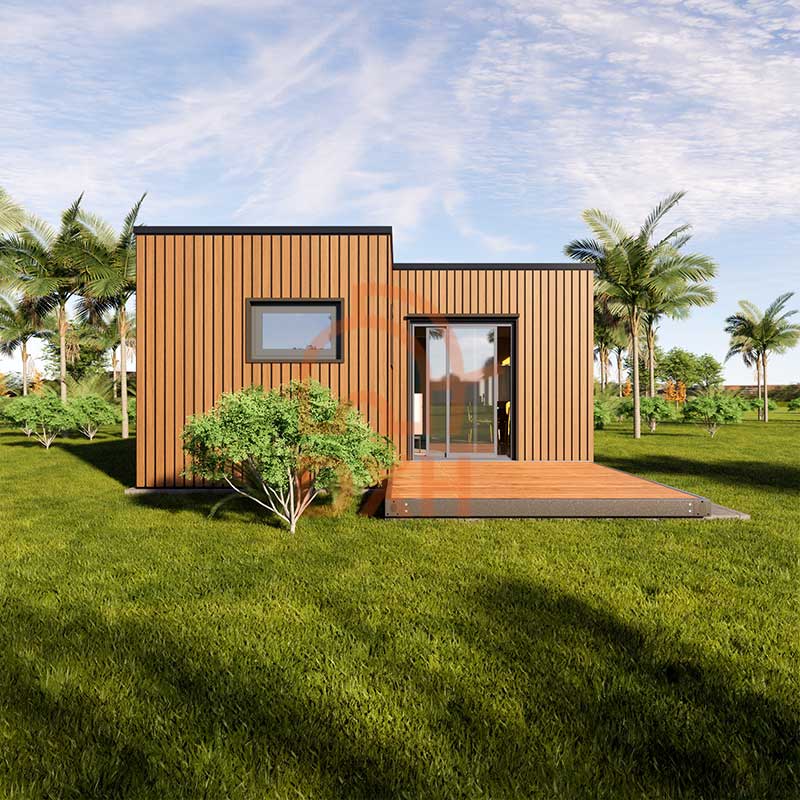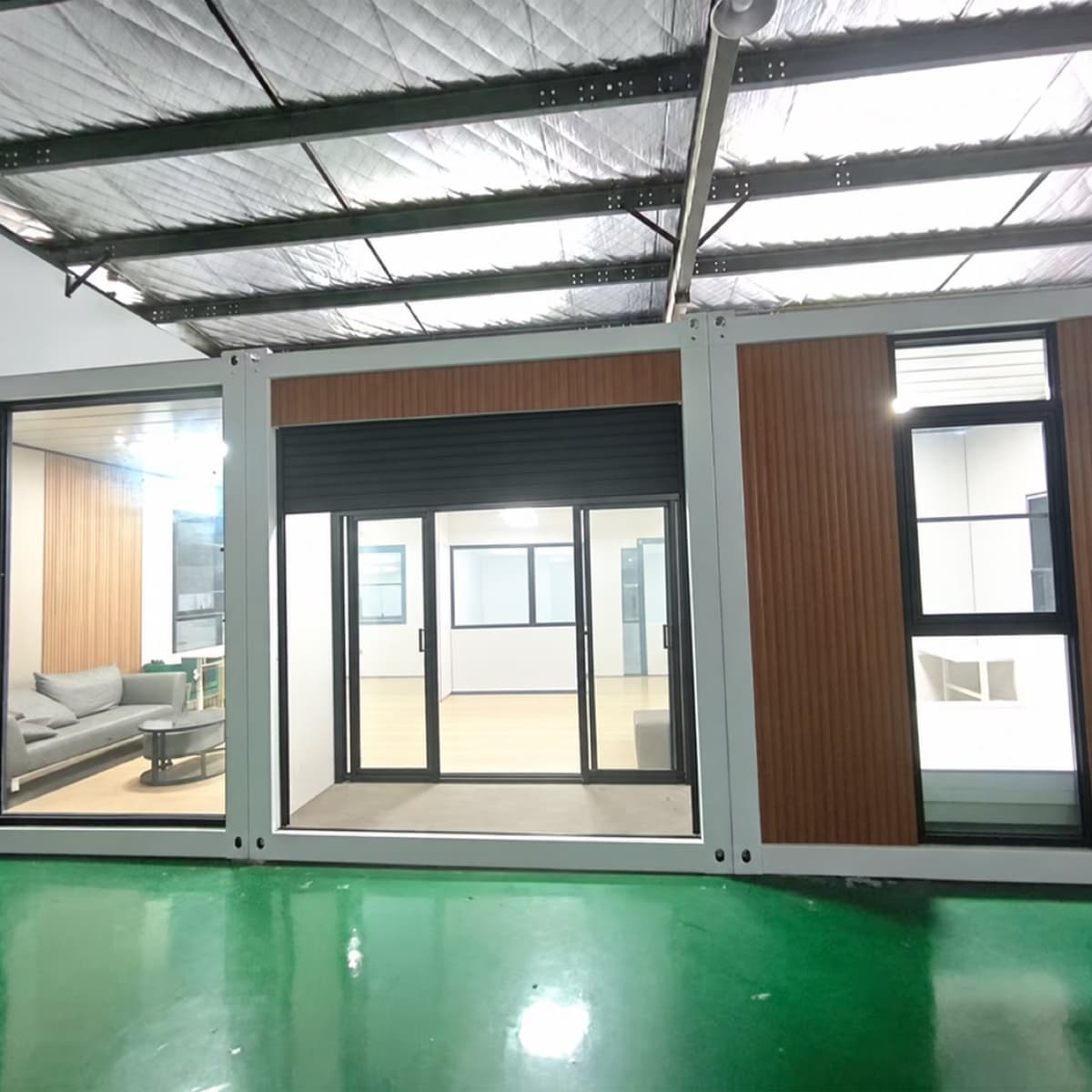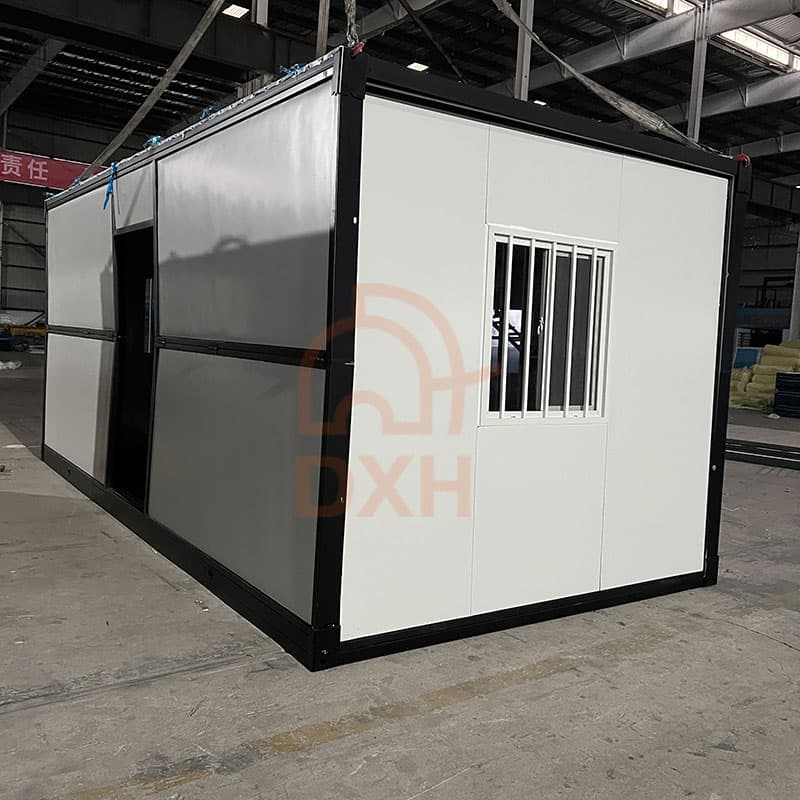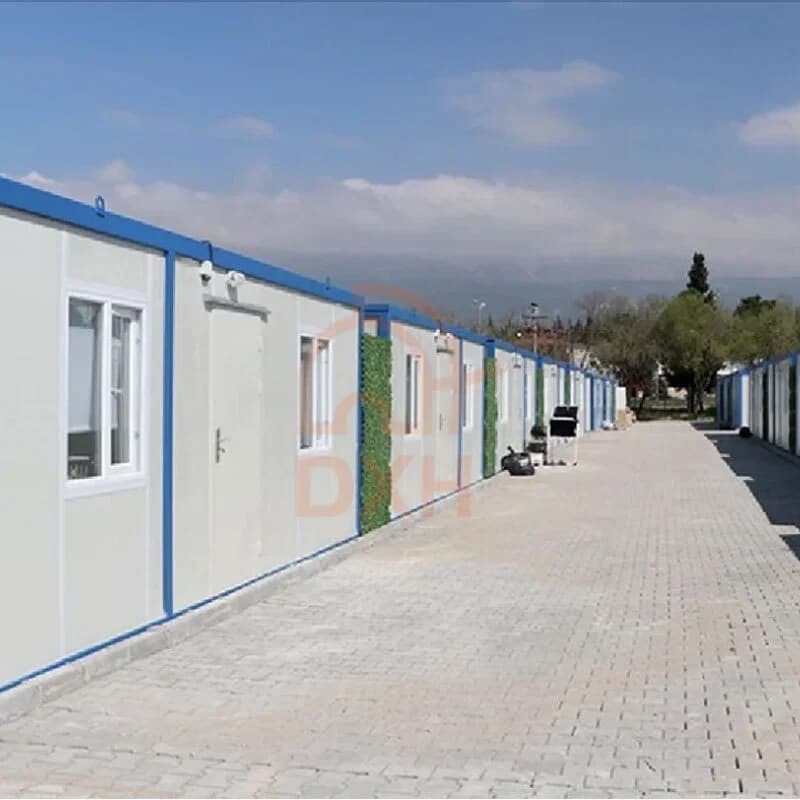
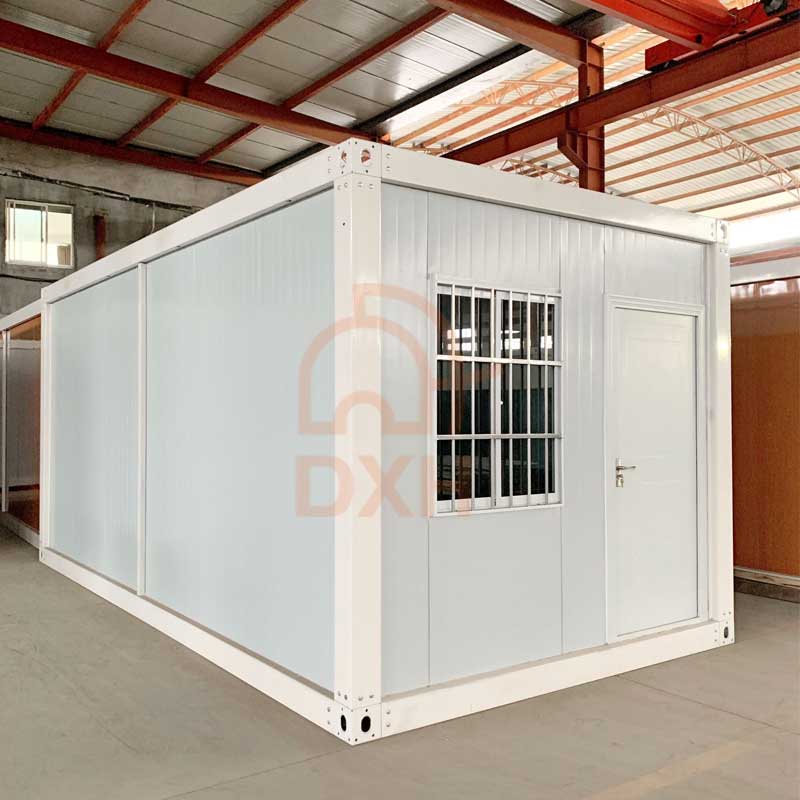
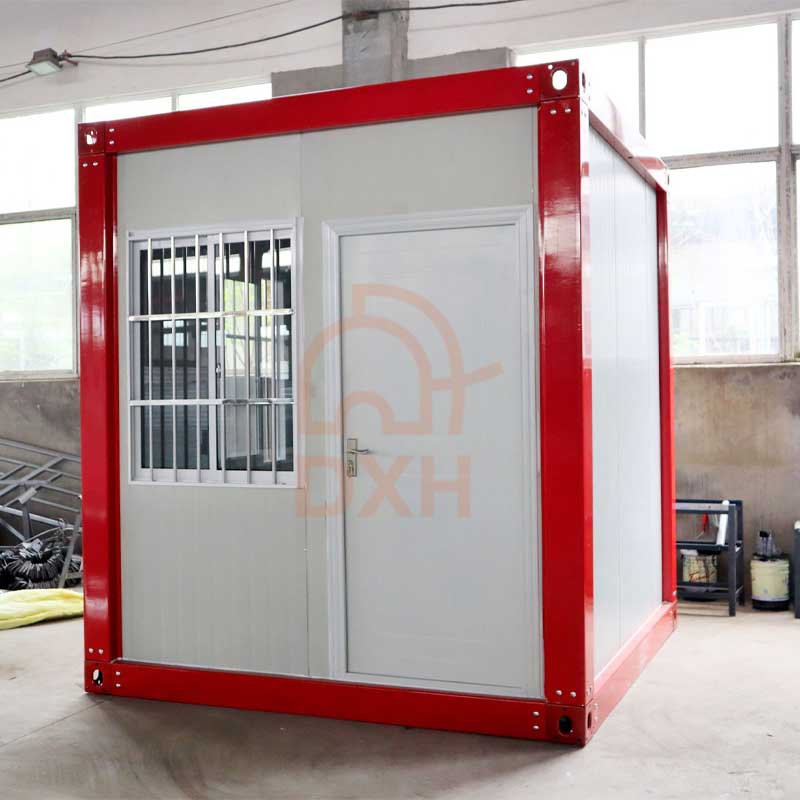
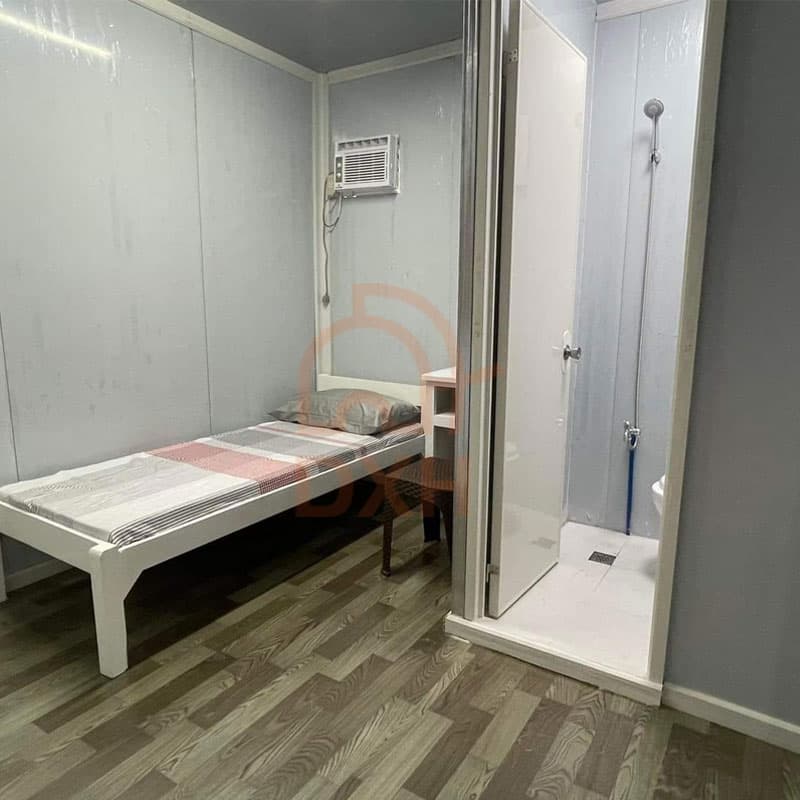
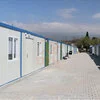
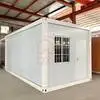
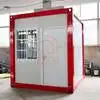
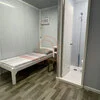
Features of Emergency Response Container Shelters
Rapid Deployment: They can be foldable or flat-pack designs that set up in 24-48 hours without special tools, while remaining stackable up to three stories for optimal land use.
Durable Construction: Emergency response units are built with a corrosion-resistant galvanized steel frame and Class-A fire-rated materials, which can withstand extreme temperatures and a 20+ year lifespan.
Flexibility: Container housing units for disaster relief can be easily transported and deployed to remote or affected areas, then redeployed as conditions evolve.
Scalable and Customizable: Featuring a modular design that enables multiple units to be connected to create large emergency camps or temporary medical facilities, and customized to suit any situation.
Cost-effective and Reusable: A cost-effective solution for disaster relief, typically cheaper than traditional buildings. They can also be reused for future relief efforts or used for other needs after a crisis has passed.
Compliance and Certification: Emergency rescue containers are manufactured under an ISO 9001-certified process and carry CE certifications for international use.
Emergency Response Container Technical Specifications
| Specification | Details |
|---|---|
| Size | 20ft / 40ft / Custom Multi-Unit |
| Capacity | 20ft: 4-6 persons / 40ft: 8-12 persons |
| Frame Material | Hot-dipped galvanized steel |
| Wall/Roof Panels | Insulated 50mm/75mm EPS/Rock wool sandwich panels, can customize thickness and core material |
| Flooring | Fire-resistant magnesium oxide flooring |
| Windows/Doors | Aluminum frame, double-glazed windows, steel security door |
| Electrical | Standard wiring for 110V/220V, LED lighting included |
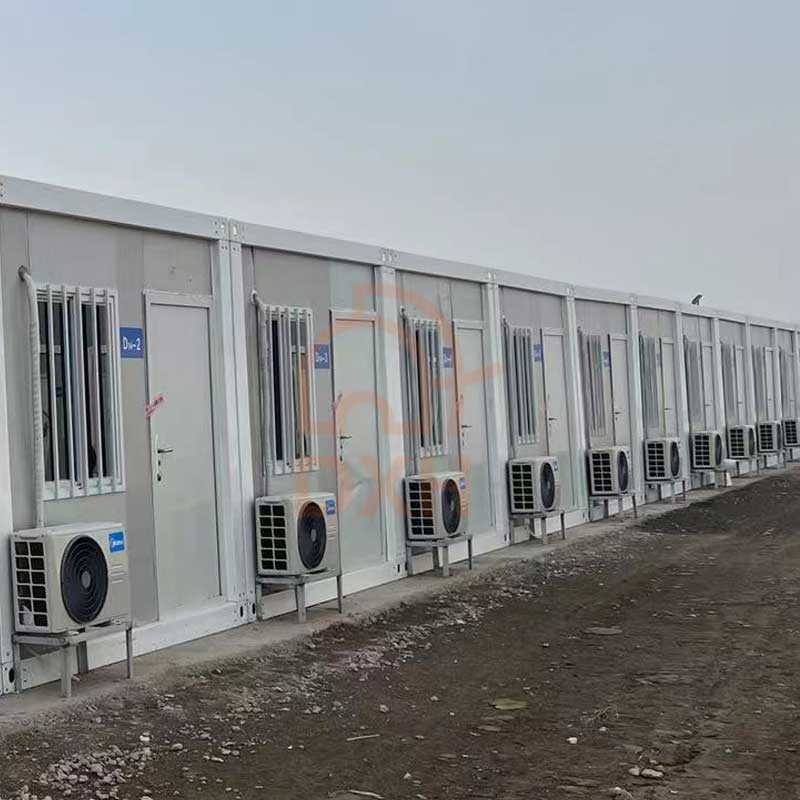
Disaster Relief Containers Applications
Natural Disaster Emergency Shelters: Earthquakes, floods, hurricanes, wildfires, and tsunamis. Rapidly deployable units can accommodate displaced populations within days.
Refugee and IDP Camps: Provide temporary housing units for refugees, while modular design allows camps to expand or contract as needed.
Temporary Medical Facilities: Convert container shelters into field hospitals, quarantine units, or medical clinics to respond to epidemics, pandemics, or disaster-related medical surges.
Warehousing Centers: Provide secure, weatherproof container storage for critical supplies like food, drinking water, medical equipment, and emergency tools.
Temporary Offices: Converted into mobile offices or workspaces for disaster response teams to operate command centers.
Sanitation Solutions: Provide temporary containerized sanitation units featuring mobile restrooms, showers, and hygiene stations.
Customized Relief Solutions for Emergency Shelters
Beyond manufacturing, Cowinlife Container House offers comprehensive support, including site planning, logistics coordination, assembly training, and after-sales service.
While standardization ensures rapid deployment, we recognize that each emergency has unique requirements. Cowinlife offers various customization options, including climate-specific insulation materials, slip-resistant flooring, safety features, solar integration, sanitation facilities, partitioned layouts, and accessibility modifications for vulnerable populations.
Our experts are on call 24/7 to discuss your needs and provide prompt emergency procurement quotes.
Frequently Asked Questions
(1) compacted gravel or soil (ground leveling required);
(2) concrete blocks or steel bases;
(3) wood or steel beam foundations;
(4) temporary concrete slabs.