What Are Commercial Containers?
The use of commercial containers provides a flexible, cost-effective solution for storage, pop-up stores, and even office space needs. In this blog post, we will explore the definitions, types, benefits, and applications of commercial containers to help you understand their importance across industries.
What is a Commercial Container?
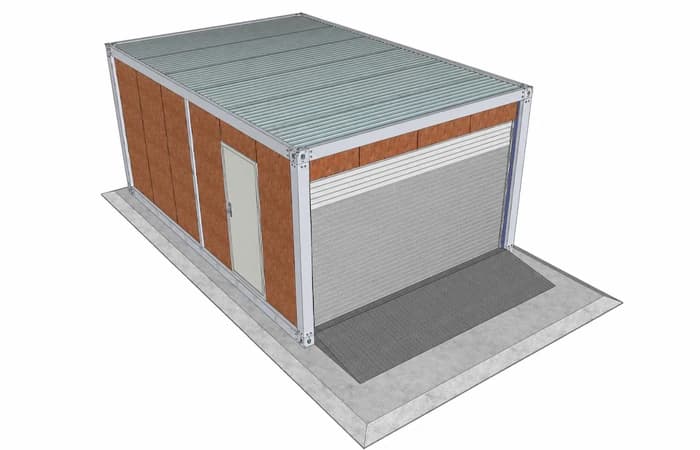
A commercial container is made of weathering steel to withstand harsh conditions and have a long lifespan. They are typically available in standard sizes of 20 feet or 40 feet long, making it easy to stack, load, and move goods.
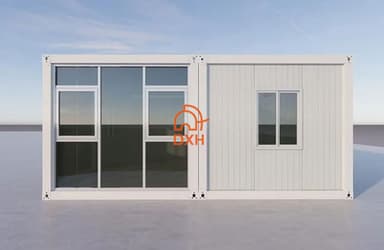
In addition to serving as storage containers, these containers can also be repurposed into pop-up stores and even modular offices. The versatility of containers makes them a top choice for various industries, from retail to construction.
Key Features of Commercial Containers
Common Uses of Commercial Containers
1. Storage solutions
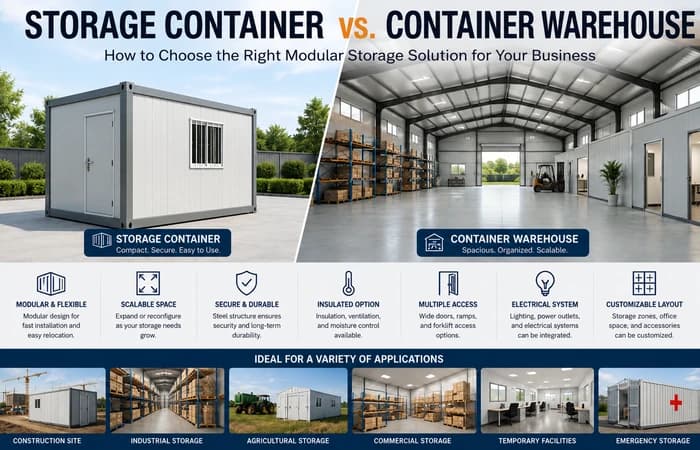
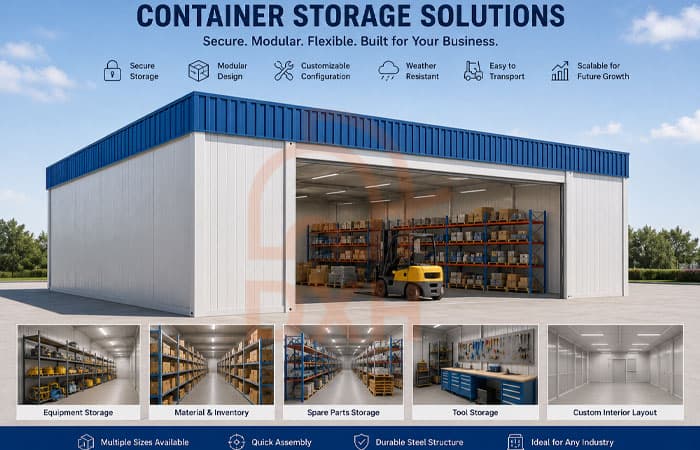
Businesses utilize containers to store goods nearby, saving on transportation costs and improving delivery efficiency. Whether it’s excess inventory, equipment, or materials, containers provide robust storage space.
2. Pop-up Retail Stores
The economic advantage also provides convenience for entrepreneurs to operate brands locally. Transform containers into stylish pop-up stores, cafes, or boutiques. Just make some creative changes to the exterior design, interior windows, and lighting, and add brand logos to attract customers.
3. Modular Offices
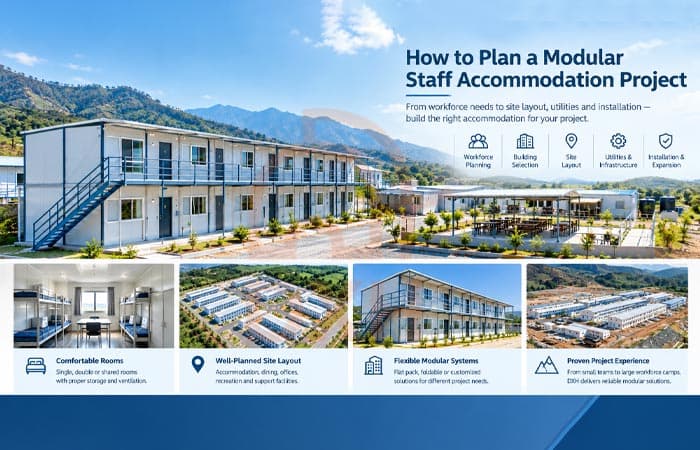
The modular feature allows containers to be converted into affordable office space. For growing companies, this not only saves costs but also enables quick operation. As long as they're equipped with insulation materials, electricity, and plumbing facilities, they are well-suited for remote or temporary offices.
4. Event Space
For festivals, concerts, and trade shows, containers are often used as ticket booths, bars, and even art installations. They can be relocated and reused in different locations, contributing to sustainability.
Benefits of Using Commercial Containers
a. Cost-effectiveness: Using commercial containers enables companies to reduce transportation costs and enhance efficiency. Standardized sizes allow for optimal space utilization and minimize waste.
b. Enhanced Security: Commercial containers provide a safe environment for goods, with their sturdy structure and locking mechanisms ensuring product safety during storage.
c. Flexibility and Scalability: Containers can be easily expanded to meet business needs. Their prefabricated structure facilitates stacking or extending, allowing for adaptation to changing requirements.
d. Environmental Benefits: Because containers use fewer materials than traditional buildings, they help reduce carbon emissions. Additionally, many containers can incorporate solar energy systems, rainwater collection, and other features that support sustainable development.
How to Choose the Right Commercial Container
- Purpose: Are you using it for storing, a shop, or a workspace?
- Size: Ensure the container fits your space and cargo requirements.
- Functionality: Do you need insulation, ventilation, or custom doors, even brand features?
- Budget: Balance upfront costs with long-term value.

Conclusion
Commercial containers are a solution that many businesses consider due to their durability, security, and versatility. Whether you're in retail, construction, or start-up businesses, understanding the benefits and applications of commercial containers can help you make the right business decisions.
Whether you need warehousing, a mobile store, or a unique office space, these containers offer endless possibilities. Contact us today to discuss your business needs so you can make the right choice.