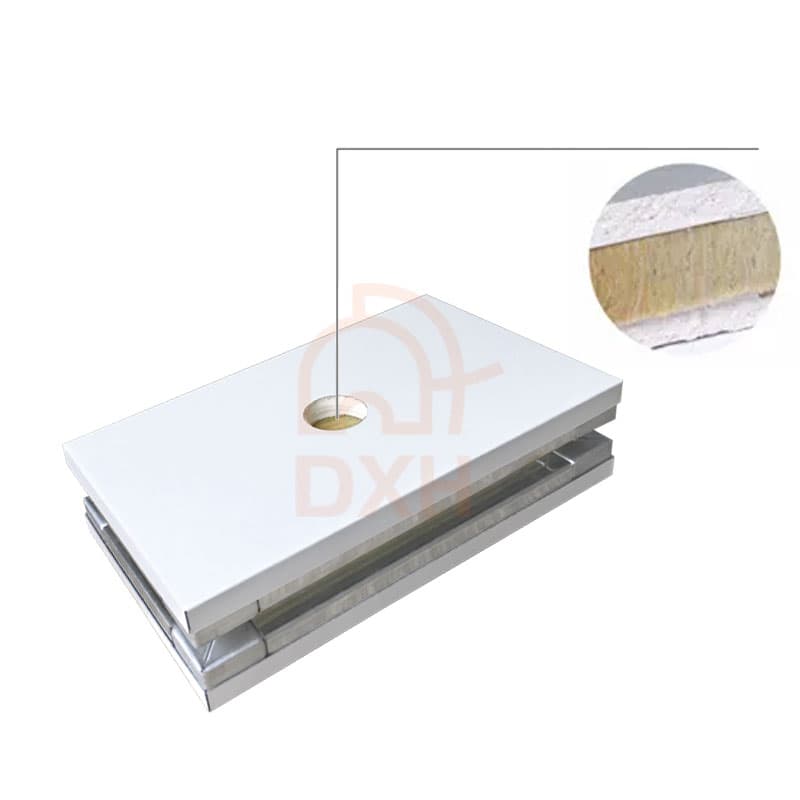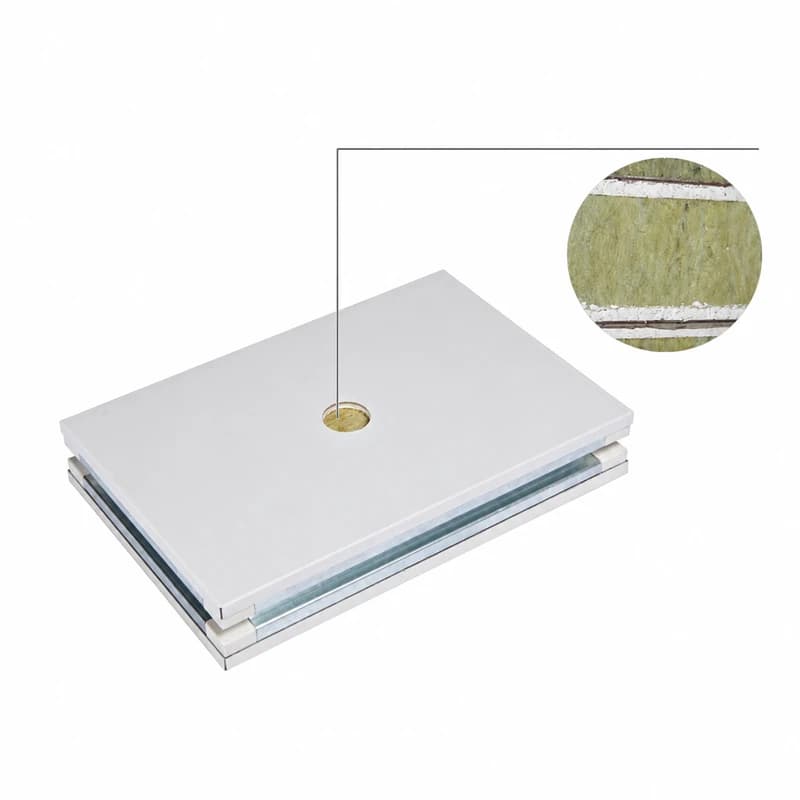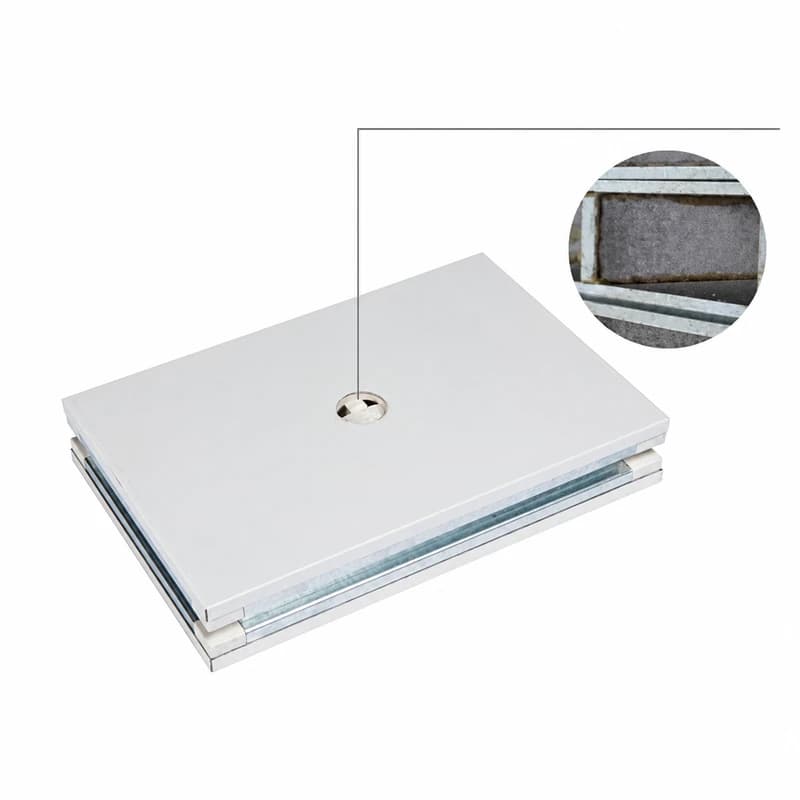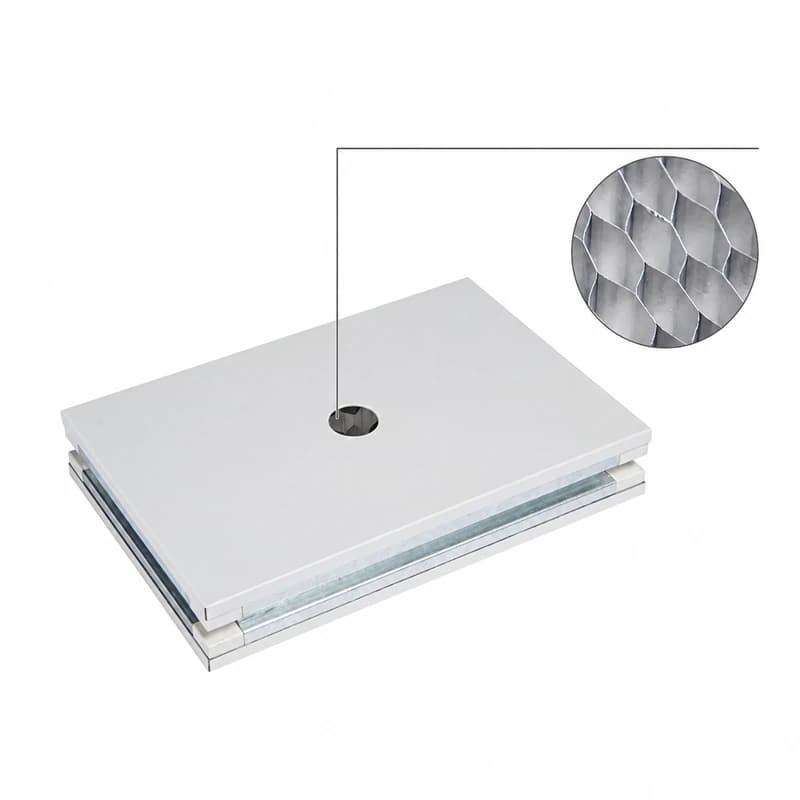
Specifications
|
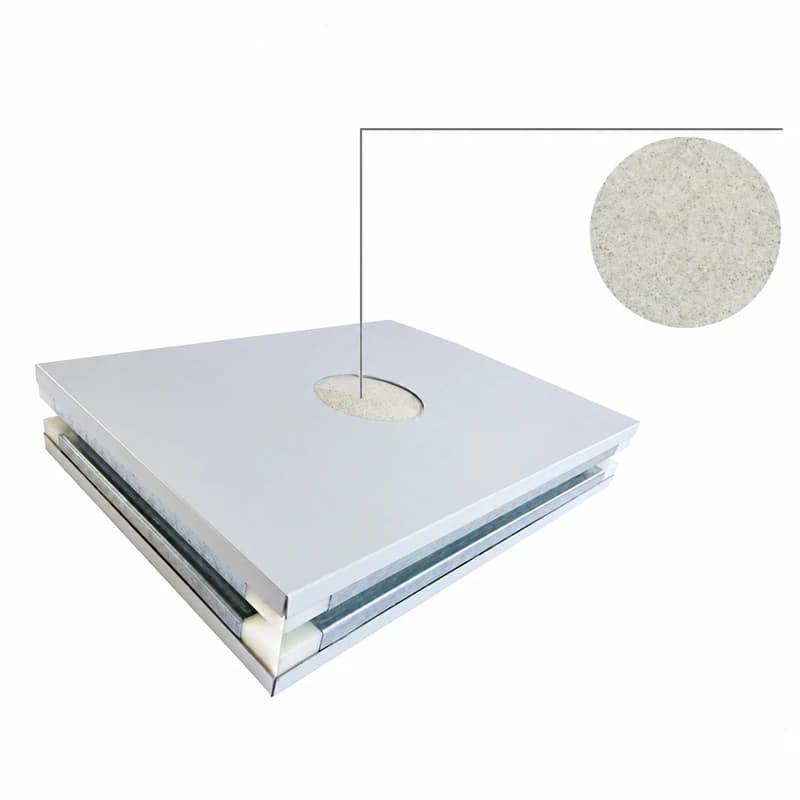
Core Material |
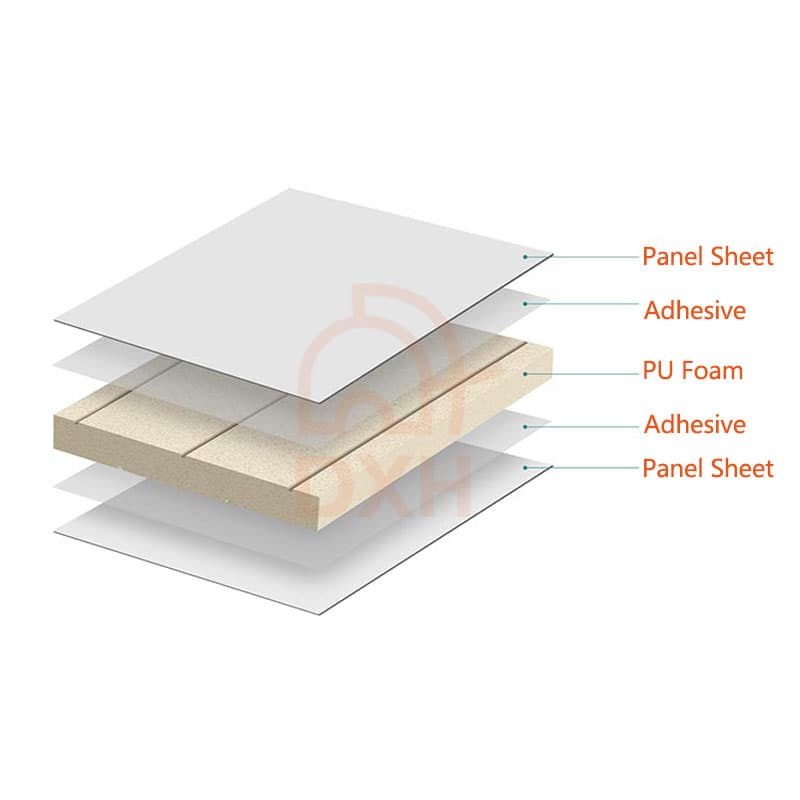
PU Foam |
|
Thickness |
50mm, 55mm, 60mm, 75mm, 100mm |
|
Width |
900mm, 980mm, 1150mm, 1180mm. Non-standard panels in any width. |
|
Length |
Custom manufacturing is available upon request (general length ≤ 6000mm). |
|
Panel Thickness |
0.4~0.6mm |
|
Outer Facing |
Typically color-coated steel, galvanized steel, or stainless steel. |
|
Edge Sealing |
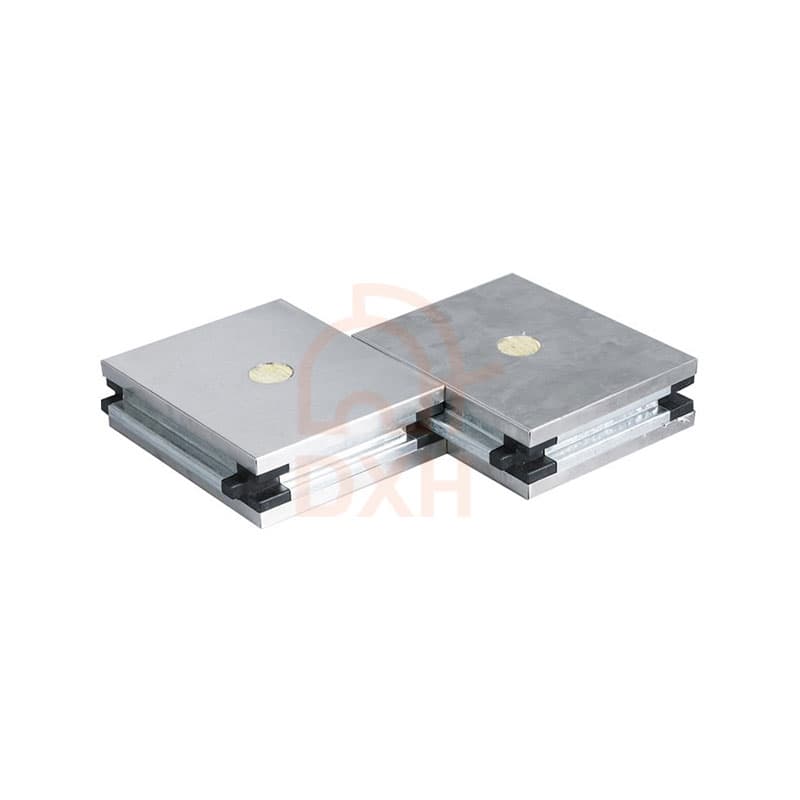
The sheets are edged with aluminum profiles or galvanized steel to improve overall strength and durability. |
|
Adhesive |
Uses an environmentally friendly structural adhesive to ensure a firm bond between the panel and the inner frame. |
|
Processed by hand assembly, the sheet material offers superior quality control, dimensional flexibility, and resistance to deformation, making it well-suited for customized use in specialized architectural spaces. |
|
Benefits of Handmade Polyurethane Sandwich Panels
Thermal Insulation: Polyurethane material has an extremely low thermal conductivity (approximately 0.020-0.028 W/m·K), making it one of the best-recognized insulation materials currently available. It also effectively reduces building energy consumption and improves overall energy efficiency.
Flame Retardant Properties: The PU Foam core material possesses excellent flame-retardant properties. Combined with double-sided metal panels, the handmade polyurethane panel can meet building fire rating requirements of B1 or even higher.
Sound Insulation and Noise Reduction: The dense structure and high closed-cell rate of polyurethane foam effectively absorb and block sound wave propagation. Suitable for high-noise control applications, such as equipment rooms and laboratories.
High Strength and Wind Pressure Resistance: The double-sided metal facets of the handmade PU sandwich panels ensure the overall structural strength of the panels. The internal filling does not shrink or deform, maintaining stability even in windy areas or high-rise buildings.
Strong Sealing and Moisture-proof: With a closed-cell rate exceeding 95%, PU foam possesses excellent moisture-proof properties, preventing moisture ingress and effectively avoiding condensation and mold growth on walls. Ideal for clean spaces and cold storage areas with high humidity.
Installation Method for Handmade Polyurethane Sandwich Panels
Measurement and Layout: Lay out the installation positions on the construction site according to the design drawings.
Keel Installation: Lay the light steel keel system in place and secure it.
Panel Installation: Place the PU panels in sequence, ensuring tight joints.
Joint Sealing: Treat the joints with sealant or foam strips to ensure a tight seal.
Edge Finishing: Install aluminum alloy or stainless steel edge trims to enhance the overall aesthetics of the panels.
Cleanup and Acceptance: After completion, clean the surface and inspect the dimensional accuracy and joint tightness to ensure acceptance.